
For a village you can walk across in fifteen minutes, Mousehole carries an unusual amount of history. A Spanish raid, the last native speaker of Cornish, a barometer gifted by the founder of the Met Office, and a fishing industry that once defined West Cornwall all sit within a few hundred metres of the harbour.
The Spanish Raid & Dolly Pentreath
When did the Spanish attack and burn Mousehole?
In July 1595, during a raid by the Spanish Armada, one of the few times mainland Britain was directly attacked by a foreign force during this period. Much of the village was destroyed.
Which building survived the Spanish burning?
Keigwin House, a historic local manor house, is one of the few buildings known to have survived the raid, and it still stands in the village today as a tangible link to that night.
Who was Dolly Pentreath?
A Mousehole native widely recorded as the last fluent speaker of the Cornish language, making her a genuinely significant figure in Cornwall’s cultural history rather than just a local curiosity.
Where is Dolly Pentreath buried?
At the churchyard in Paul, the village just up the hill from Mousehole. It’s a short, worthwhile walk if you’re interested in this part of Cornish history.
Literary & Notable Visitors
Who was the famous poet that called Mousehole “the loveliest village in England”?
Dylan Thomas, the Welsh poet, gave Mousehole that description, and it’s stuck as an unofficial tagline for the village ever since.
Where did Dylan Thomas spend his honeymoon in Mousehole?
He stayed at The Ship Inn in 1937, which is still open on the harbour front today and happy to point out its literary connection.
The Harbour & Fishing Heritage
What is the history of the Mousehole breakwater?
It was built from local granite to protect the village’s vulnerable fishing fleet from winter Atlantic gales, and remains a defining feature of the harbour today.
Why are the harbour walls so thick?
They need to withstand massive sea swells rolling in across Mount’s Bay, particularly during winter storms, so thickness here is a matter of necessity rather than design choice.
What are the wooden beams used for at the harbour entrance?
These are known as “baulks”, and they’re dropped into slots at the harbour mouth during storms to seal the inner harbour and protect the boats moored inside.
What is the historical importance of the pilchard industry here?
Mousehole was once West Cornwall’s premier port for curing and exporting pilchards, an industry that shaped the village’s economy, layout and identity for generations.
What is The Old Pilchard Works?
A preserved heritage building that reflects the village’s historic fish processing industry, offering a tangible link back to the pilchard trade that once dominated life here.
Landmarks Worth Seeking Out
What is the historic Fitzroy Barometer?
A public storm-warning barometer gifted to the village in 1854 by the founder of the Met Office, intended to help local fishermen judge the weather before heading out to sea.
Where can you see the Fitzroy Barometer today?
It’s set into the exterior stone wall of The Ship Inn, still readable and still in its original spot after well over a century and a half.
What is St Clement’s Isle?
A small, rocky islet sitting roughly 350 metres off the coast of the village, visible from almost anywhere along the harbour front.
Did anyone ever live on St Clement’s Isle?
An ancient religious hermit is said to have lived there, tending a warning light to help guide sailors safely past the rocks and into harbour.
Guides

The Ultimate Mousehole Travel Guide: 100+ Questions Answered

Day Trips From Mousehole

Where To Stay And Eat In Mousehole

Beaches, Wildlife And Nature In Mousehole

Art, Culture And The Mousehole Cat

Christmas In Mousehole
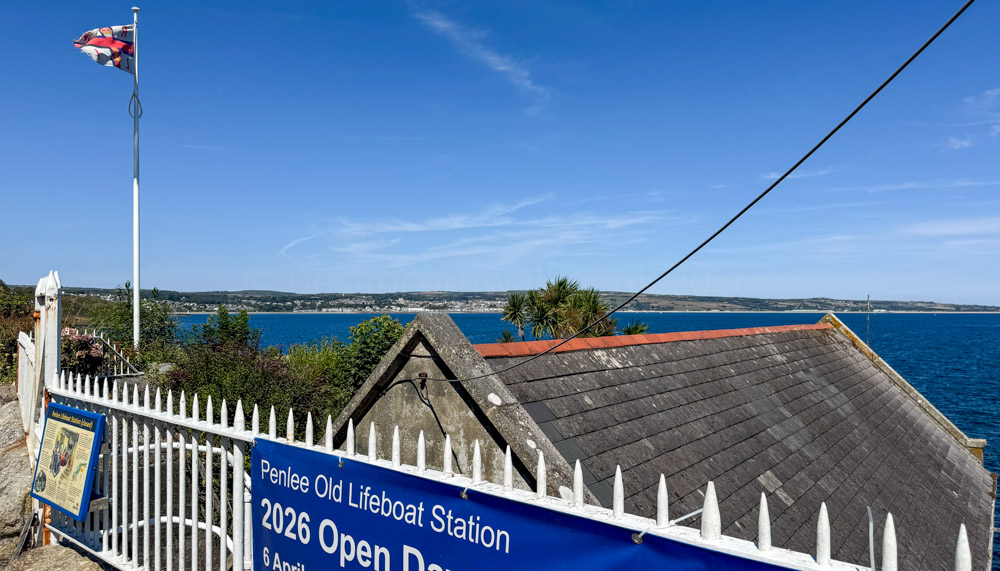
The Penlee Lifeboat Disaster, Mousehole

The History Of Mousehole

How To Get To Mousehole
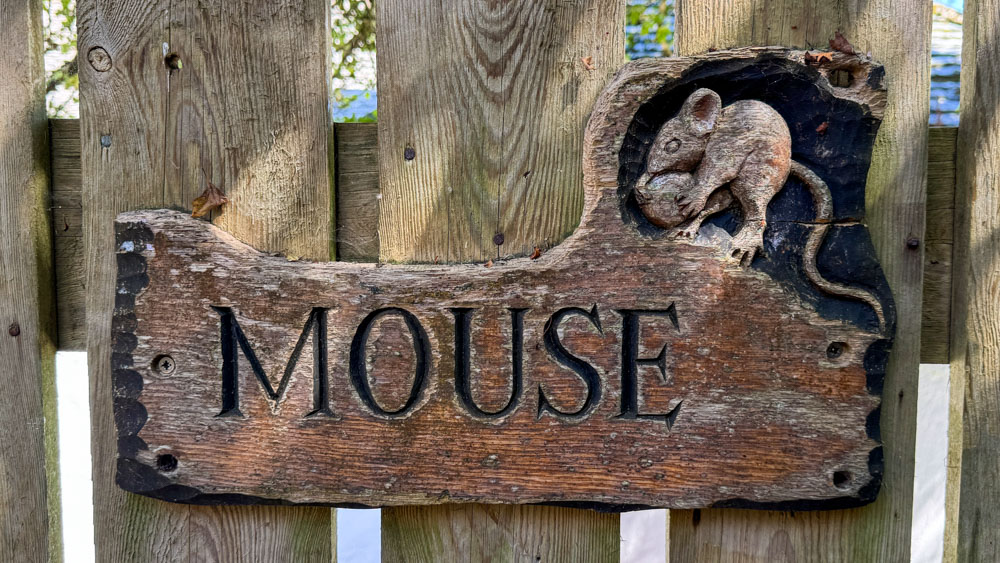
How To Pronounce ‘Mousehole’
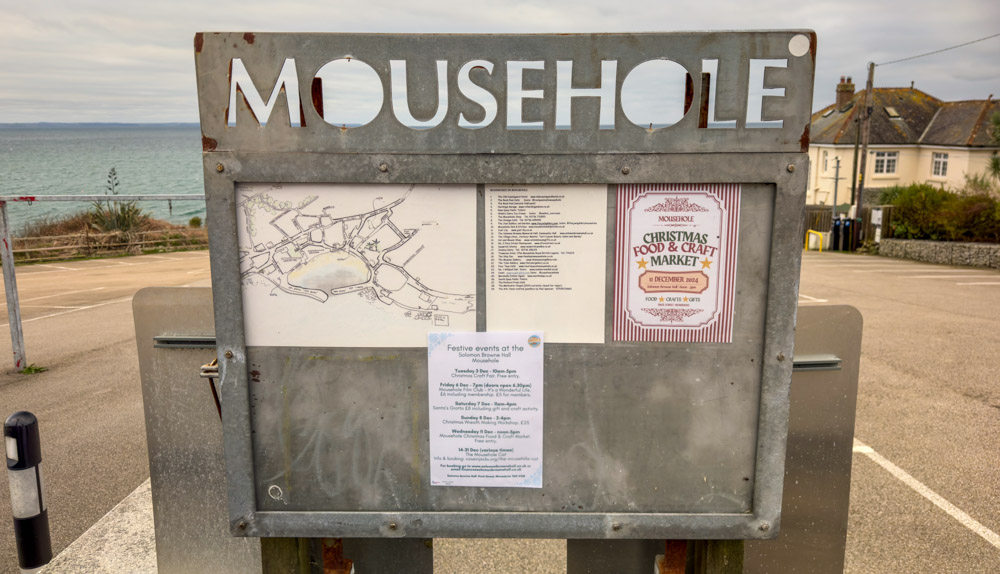
The best places to park in Mousehole
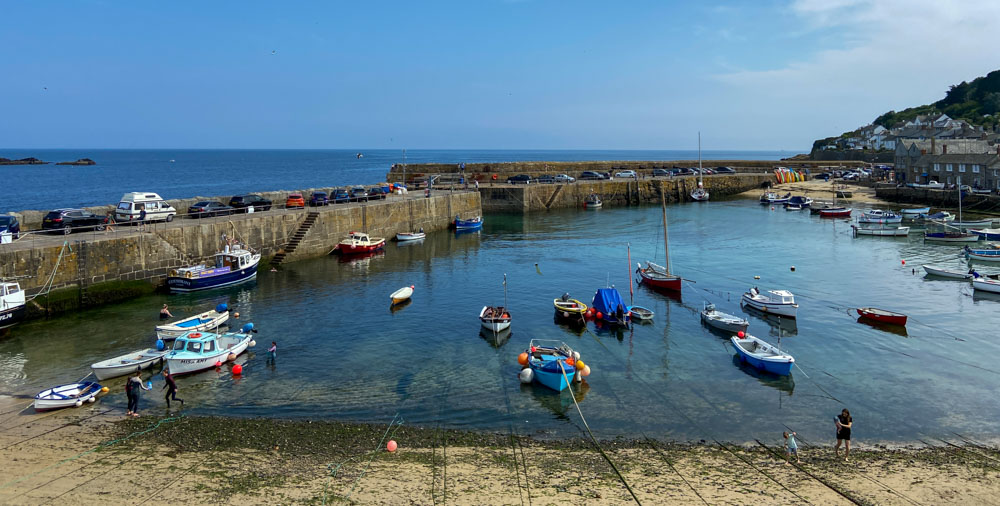
The best things to do in Mousehole
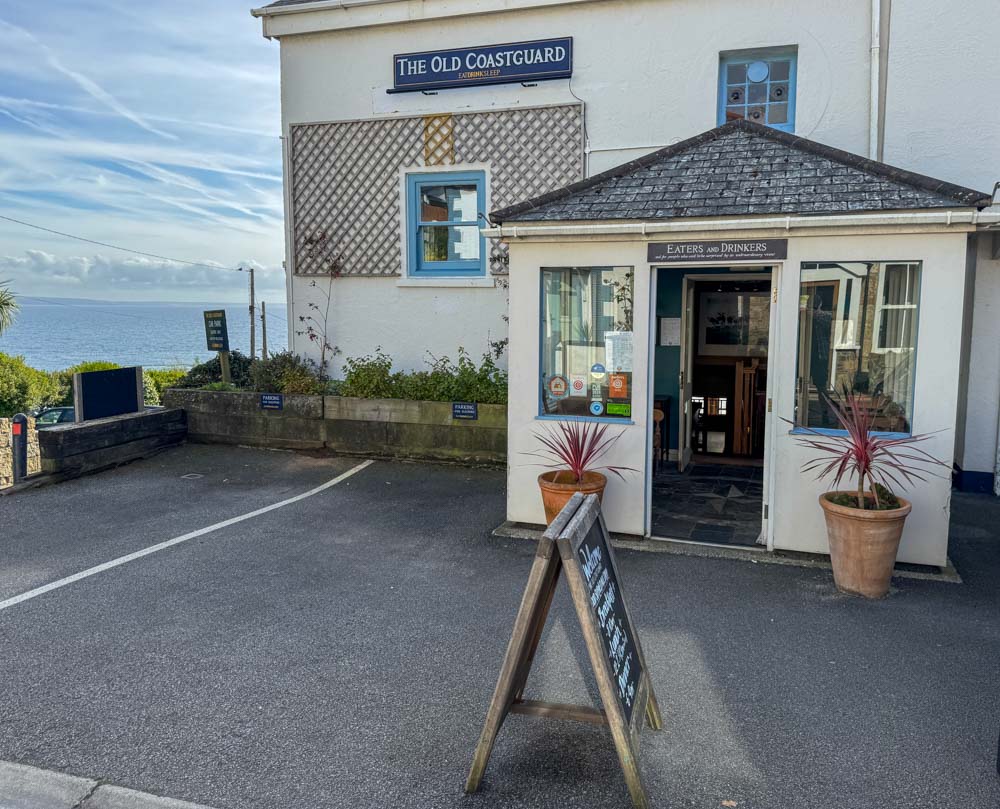
The best places to stay in Mousehole
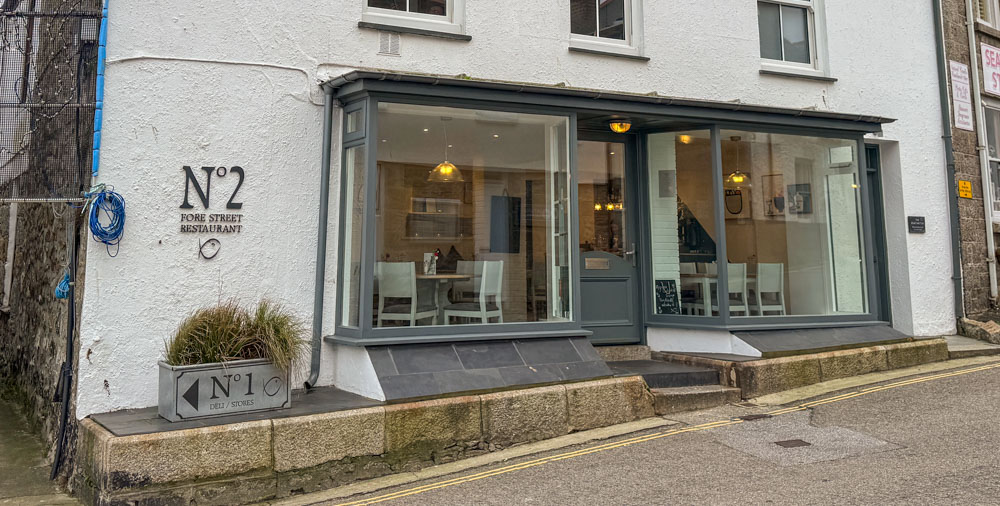
The best places to eat in Mousehole
Hi, I’m JV. As an ex travel photographer, I’ve been all over the world, but there’s nowhere else I’d rather call home than Cornwall. Now I’m putting that experience to work, finding the best of Cornwall for you. I hope you found this article useful. Please check out my socials below: