
Cornwall was made for a set of wheels with a bed in the back. Three hundred-odd beaches, a coast road that keeps rewarding you round every headland, and enough hidden coves that you can wake up somewhere new most mornings and slow down when the view earns it. This is the county where you can surf at dawn, brew coffee on a clifftop, and be watching the sun drop into the Atlantic by evening, all without booking a thing. That freedom is the whole point of van life, and Cornwall delivers it better than almost anywhere in the UK.
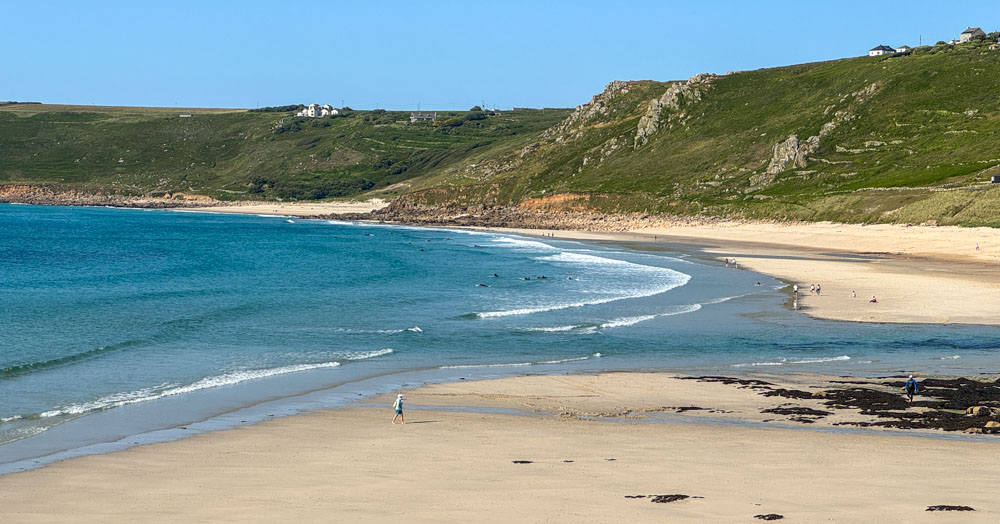
It is not without its catches, though. Cornwall is one of the busiest tourist regions in the country, and its infrastructure was not built for the number of vans that now roll down the A30 each summer. Free park-ups have thinned out, height barriers have appeared on car parks that surfers once relied on, and waste facilities are genuinely scarce. None of that should put you off. It just means the smart van lifer plans a little, treads lightly, and knows where to top up water and empty tanks before they run dry. This guide covers the county-wide essentials; for the deep local detail, follow the town guides linked further down.
Best regions of Cornwall for van life
Cornwall splits roughly into a rugged, surf-battered north coast and a softer, more sheltered south, with the wild Penwith and Lizard peninsulas at the far western tip. Where you point the van depends on what you are chasing.
The north coast (Newquay to Bude) is surf country. Big golden beaches, reliable Atlantic swell, and a young, van-friendly crowd. This is where you come for dawn patrols and long beach days, though it is also the busiest stretch in high summer and the most likely to have height barriers on the good car parks.
The far west (Penwith and Penzance) feels like the end of the road, in the best way. Granite moors, tiny fishing coves like Mousehole, and some of the most dramatic coastal driving in Britain. It is quieter than the north coast and rich in the kind of clifftop views that make you want to stay put for a couple of nights.
The south coast (the Roseland, the Lizard, and the fishing villages) is gentler and more sheltered, which matters when the weather turns. Villages such as Cadgwith, Coverack and Mevagissey are postcard-pretty and slower-paced, though their streets are ancient and narrow, so you park on the outskirts and walk in.
A good first rule: pick a base region for a few days rather than crisscrossing the county daily. Cornwall’s roads are slow, and the joy is in lingering, not clocking up miles.
Wild camping and the law: know before you park up
Wild camping is not legal by default in England, and Cornwall is no exception. Almost all land is privately owned or council-managed, and council car parks across the county operate a firm ban on overnight sleeping in vehicles. Most beach and clifftop car parks that once turned a blind eye now have height barriers or ANPR cameras, and enforcement has genuinely tightened in recent years.
That does not mean there is nowhere to go. It means you park with respect and a plan:
- Use apps sensibly. Park4Night and similar apps remain the go-to for finding tolerated spots and paid overnight car parks. Be considerate; if a park-up already looks busy or crammed with vans, move on rather than adding to the problem. Nothing gets a spot closed down faster than a row of vans, awnings out, treating a clifftop like a campsite.
- Privately owned overnight car parks are your friend. A growing number of car parks charge a modest fee for a legitimate overnight stay, often with beach and coast path access thrown in. These are the sweet spot between a free park-up and a full campsite; you get to stay where the view is without the anxiety of a midnight knock on the window.
- Leave no trace, always. Take every scrap of rubbish, never empty grey or toilet waste anywhere but a proper disposal point, and keep noise down. The van community’s reputation in Cornwall is fragile, and every thoughtless park-up makes it harder for the next person.
- Ask permission. A polite word with a farmer or a pub landlord can occasionally land you a field corner or a car park for the night. It costs nothing to ask.
Campsites: the low-stress option
After a few nights of moving on, a campsite is a genuine reset. You get peace of mind that nobody is going to move you at 2am, plus the facilities that make van life actually comfortable: toilet and grey water disposal, fresh water fill-ups, and, best of all, a hot shower after a day in the sea.
Cornwall is well served here, with sites dotted right around the coast. Prices vary wildly with the season, but plenty of smaller sites still charge in the region of £20 a night for two adults and a van outside peak weeks. Many hook-up sites also let you dip in for facilities alone, so it is worth asking whether you can use the water and waste points for a small fee even if you are not staying over. A rough rhythm of a few park-up nights followed by a campsite night to service the van and recharge works well for most people.
Water, waste and facilities: the practical bit
This is where Cornwall tests you, so plan around it.
Water refill points. Fresh water is the easier of the two to find. Campsites are the obvious source, but service stations often have an outside tap and will usually say yes if you ask nicely. Fill up whenever you get the chance rather than waiting until you are running low; a full tank buys you freedom.
Dump stations and waste. This is the real pinch point. UK infrastructure has not kept pace with the boom in vans, and dedicated motorhome waste points are thin on the ground in Cornwall. In practice, campsites are your main option for emptying toilet cassettes and grey water, and some will let you use their disposal facilities for a small fee without an overnight stay. Never, ever empty waste into a drain, hedge or beach car park; it is the single fastest way to sour local goodwill toward vans.
Laundry. Self-service laundry has quietly become a van life game-changer in Cornwall, with more coin and app-operated machines appearing at supermarkets and service points. Park up right outside, load the machine, and relax in the van while it runs. Not the cheapest wash you will ever do, but hard to beat for convenience.
Power. If you rely on hook-up, book campsites with electric pitches ahead in summer. If you are running solar and a leisure battery, Cornwall’s long summer days are generous, though the north coast can throw in grey spells, so do not assume the panels will keep up in a wet week.
Driving Cornwall’s narrow lanes
The moment you leave the A30 and A39, you meet the roads Cornwall is famous for: single-track lanes hemmed in by high hedges, many with stone walls hidden inside the greenery. It sounds intimidating, and the first few can be, but there is a quiet upside for van lifers. The high driving position in a van actually makes these lanes easier to read than they are in a low car, because you can see over the hedge line into the bends ahead.
A few things worth knowing:
- Passing places are plentiful, so use them. Pull in early and let oncoming traffic through rather than reversing a long way. When you do have to reverse into the hedge, remember those hidden stone walls and go gently.
- Expect nervous drivers. Plenty of visitors are terrified of these lanes; give them room and patience.
- Know your dimensions. Your van’s size genuinely limits where you can go in Cornwall. The old fishing villages, Mousehole, Cadgwith, Polperro and the like, were built long before cars, and their centres are no place for anything bigger than a VW-sized camper. The rule almost everywhere is the same: park on the edge of the village and walk in. Do not attempt to drive through.
- Slow down and enjoy it. Threading a quiet lane down to a hidden cove is not the annoying part of the trip; it is the trip.
The best times of year for van life in Cornwall
Late spring (May and June) is arguably the sweet spot. The days are long, the hedgerows are in full colour, campsites have reopened, and the roads and car parks are far calmer than they will be in weeks to come. Water is warming up enough for a swim if you are brave.
High summer (mid-July to end of August) is glorious but hard work. More than four million visitors descend on Cornwall over the season, park-ups vanish, campsites book out and prices peak, and the lanes clog. If you can only come in summer, book campsites well ahead, travel midweek where possible, and start your days early to beat the car park crush.
Early autumn (September) rivals spring: warm sea, thinning crowds, and the best of the light. Many consider it the finest month of all for a Cornish road trip.
Winter is for the hardy and the well-insulated. Many campsites close, facilities shrink, and the weather can be genuinely wild on exposed coasts. The flip side is empty beaches, dramatic seas, and clifftop park-ups you would have to fight for in July. Come prepared with heating and a plan for water and waste, and it can be magic.
Van lifer’s checklist for Cornwall
Before you set off, and while you are here, keep these in mind:
- Top up water at every opportunity, campsite or forecourt, rather than waiting until the tank is empty.
- Plan your waste disposal around campsites, and never empty tanks anywhere else.
- Have a paid overnight car park or campsite as a backup for nights when the free spots are full or feel wrong.
- Check car park height barriers before committing, especially on the north coast.
- Book campsites ahead in July and August, and travel and arrive early to beat the crowds.
- Respect the villages: park on the outskirts, walk in, and keep the lanes clear.
- Leave every spot cleaner than you found it. The freedom of van life in Cornwall depends on it lasting.
Get the basics right and Cornwall gives you the version of van life the whole thing is about: no fixed plan, a full water tank, and the freedom to wake up wherever the coast road stops looking good.
Explore Cornwall for van lifers by area
This page is the big-picture overview. For the street-level detail, which specific car parks take vans overnight, where to refill and empty, the surf-friendly cafes and the best coastal drives in each town, dive into our dedicated town guides:
- The best of St Ives for van lifers
- The best of Penzance for van lifers
- The best of Newquay for van lifers

Hi, I’m JV. As an ex travel photographer, I’ve been all over the world, but there’s nowhere else I’d rather call home than Cornwall. Now I’m putting that experience to work, finding the best of Cornwall for you. I hope you found this article useful. Please check out my socials below: