
Cornwall is not a place you simply visit; it is a landscape that remembers. For the lore chaser, the county is an animate map of Celtic myth, deep-earth mining spirits, ancient stone portals and community rituals that have never quite been tamed. This is a world of giants and mermaids, of Bucca the sea-spirit and the piskies, of Knockers rapping in the mineshafts and dark elemental tides. Forget the sanitised versions in modern children’s books. Cornish folklore is older, stranger and considerably more atmospheric than that, and it is still being told in pubs, at holy wells and on the moors after dark.
This is our Cornwall-wide overview for the lore chaser: a way to orient yourself before you plan the deep dives. We favour a medium tempo, two or three sites explored properly rather than a dozen skimmed, and we point you toward the heritage sites, ruins, myths and historic pubs that reward slow, attentive visitors. Use this as your master map, then follow the town guide at the end for the detail on the ground.
The cast of Cornish folklore
Before you chase the sites, learn the players. Cornish mythology has a recognisable and recurring cast, and knowing them turns a walk on the moor into something closer to a pilgrimage.
- Giants: Cornwall is giant country. Tales of Jack the Giant Slayer, Cormoran of St Michael’s Mount, and Bolster of St Agnes are woven into named landmarks across the county. Many a rocky tor and scattered boulder field is explained locally as the work, or the leftovers, of a giant.
- Mermaids: The mermaid is one of Cornwall’s most enduring symbols, most famously the Mermaid of Zennor who lured a chorister into the sea. You will find her carved into old church benches and referenced along the whole north and west coast.
- Piskies and the pobel vean: The piskies, or the ‘little folk’, are the mischief-makers of the moors, said to lead travellers astray. Being ‘pisky-led’ is the old Cornish term for losing your way on familiar ground.
- Bucca: An ancient sea-spirit once appeased by fishermen who left a portion of the catch on the sand. Bucca survives in place names and in the deeper memory of the fishing villages.
- Knockers: The spirits of the tin and copper mines, whose knocking was said to warn miners of collapse, or to lead them to rich lodes. Cornwall’s mining heritage and its folklore are inseparable.
Megalithic portals and sacred stones
West Cornwall, the peninsula beyond Penzance, holds one of the densest concentrations of prehistoric monuments in Britain, and for the lore chaser these are the county’s beating heart.
Men-an-Tol, on the moors near Madron, is the classic Cornish portal: a large holed stone flanked by two upright pillars, known locally as the Crick Stone. Passing through the hole was long believed to cure back pain and rickets and to purify the spirit. Arrive at dawn, when the light comes straight through the central opening and the heather-clad moor behind it is empty of everyone but you.
The Merry Maidens near St Buryan is a near-perfect Bronze Age circle of nineteen stones, with two tall outliers, the Pipers, standing a short walk away. The legend holds that nineteen maidens were turned to stone for dancing on the Sabbath while the two pipers were petrified for playing the music. It is a petrifaction myth, the same story attached to stone circles across the county, and a reminder that these places were once feared as much as revered.
The wider West Penwith moors are scattered with quoits, standing stones and settlement remains. Treat them as a linked itinerary rather than isolated stops, and give yourself time to sit with each one.
Holy wells and cloutie trees
Cornwall’s holy wells are quieter, damper and more intimate than its stone circles, and they are among the most rewarding sites a lore chaser can seek out. Many predate Christianity, later adopted by the Cornish saints who give so many villages their names.
Madron Holy Well, tucked into waterlogged woodland near Penzance, is the county’s most atmospheric. The ancient spring feeds a ruined medieval baptistery, and locals once dropped pins into the water to read the bubbles for prophecies. The thorn bushes around it serve as a traditional cloutie tree, where pilgrims still tie strips of cloth to the branches; as the fabric rots away, the illness or burden it represents is believed to leave the person. It is a living custom, not a museum piece, which is precisely why it matters.
Arthur, Excalibur and the drowned lands
No county claims King Arthur more insistently than Cornwall. The legend threads through the whole peninsula, from the cliff-top ruins of the north coast to the bleak interior of Bodmin Moor.
Dozmary Pool, high on Bodmin Moor, is the wild, treeless lake where, in one tradition, Sir Bedivere returned Excalibur to the waters and the hand of the Lady of the Lake rose to catch it. The same pool is the legendary prison of Jan Tregeagle, the damned steward condemned to empty the ‘bottomless’ lake with a leaking limpet shell, his howls said to carry across the moor on stormy nights. Bodmin Moor is also home to the Beast of Bodmin, the county’s most persistent modern folk-mystery. Come here for the sense of scale and desolation; this is folklore you feel in the weather.
Smuggling, wrecking and the haunted coast
Cornwall’s coastline built its fortune on the sea, and much of that history was illicit. The county’s smuggling past is not romantic invention; the coves, cellars and moorland inns were part of a genuine and vast eighteenth-century contraband economy.
Jamaica Inn at Bolventor, marooned in the middle of Bodmin Moor, is the icon. Built in 1750 as a remote coaching stop, it served as a clearing house for goods run inland from the coves, and Daphne du Maurier’s gothic novel sealed its reputation forever. It now houses a smuggling museum and a formidable reputation as one of the most haunted buildings in the country, which makes it a natural anchor for a moorland lore trip.
The historic harbour inns of the fishing towns tell the coastal side of the story. Ancient waterfront pubs with ships-timber beams and low ceilings have hosted centuries of fishermen, privateers and mine captains, and most come with a ghost story or two attached. Historic pubs are, for the lore chaser, both research library and lodging.
Living rituals and folk festivals
Cornwall retains some of the most intact seasonal folk customs in Europe, and these are the county’s folklore at its most alive. They are community rituals, not tourist shows, so attend with respect.
- Padstow ‘Obby ‘Oss (1 May): The town fills with a swirling procession behind two masked, canvas-skirted ‘Osses, accompanied by accordions, drums and traditional chanting. It is a deeply pagan welcome to summer, a Beltane rite that has survived essentially unaltered.
- Helston Flora Day (usually 8 May): Thousands of dancers in formal dress process in long chains through the streets, shops and gardens of Helston to the Furry Dance tune, a spatial ritual to welcome spring and drive out winter.
- Montol Festival, Penzance (around 21 December): A winter solstice celebration of the return of the light, marked by guise dancing, disguised faces, torchlit processions and the election of a Mock Mayor.
Dates shift from year to year, so always confirm the current schedule before you build a trip around one of these events.
Planning a Cornish lore trail
Cornwall is long and narrow, and its legends cluster in distinct pockets. Rather than criss-crossing the county, we suggest planning by region and going deep.
- West Penwith: Base yourself around Penzance or St Ives for the megaliths, holy wells and mermaid country. Everything is within a short drive.
- Bodmin Moor: The Arthurian and smuggling heartland. Dozmary Pool, Jamaica Inn and the Beast of Bodmin belong to a single desolate landscape.
- The north coast: The Arthurian and folk-tale coast, best explored on foot along the cliffs.
Come in the shoulder seasons if you can. The sites are quieter, the light is more dramatic, and the atmosphere that draws a lore chaser to Cornwall in the first place is at its strongest when the crowds have gone.
The lore chaser’s code of conduct
These sites survive because people have respected them. Please help keep it that way.
- Cloutie etiquette: If you take part in the cloutie tradition at Madron or elsewhere, tie only 100% natural, undyed cotton, hemp or wool. Synthetic fabrics never rot; they choke the trees and break the ancient loop of the ritual.
- Megalith preservation: Never climb on the ancient stones or mark them with chalk or pigment. The lichens on these rocks can be centuries old and are actively protected.
- Leave no trace: Take nothing from a site, offerings included, and leave the moors and wells exactly as you found them.
Explore Cornwall for lore chasers by area
This is our county-wide overview. For a full deep dive into one of Cornwall’s most atmospheric legend-soaked spots, follow our in-depth town guide:
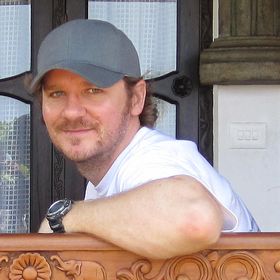
Hi, I’m JV. As an ex travel photographer, I’ve been all over the world, but there’s nowhere else I’d rather call home than Cornwall. Now I’m putting that experience to work, finding the best of Cornwall for you. I hope you found this article useful. Please check out my socials below: