
Fowey’s history runs from medieval privateers who fought at Agincourt to a genuine, quietly significant role in the Second World War. This is a proper old port town, not a fishing village that got lucky with tourism.
The Gallants of Fowey
Did the “Gallants of Fowey” exist?
Yes, genuinely. During the Hundred Years’ War, Fowey’s privateers, small, privately funded warships licensed to attack French shipping, earned real favour at court for their role in the Siege of Calais and the Battle of Agincourt.
What is the history of Fowey’s medieval buildings?
Fowey’s wealth from privateering and trade funded a genuinely impressive run of medieval and later buildings, still visible in the narrow streets around the harbour today.
Which is the oldest house in Fowey?
Several buildings in the town centre claim genuine medieval origins, reflecting Fowey’s long history as a wealthy trading port well before the tourist era.
What is Place House?
A striking historic house overlooking the town, still associated with the Treffry family, with distinctive Gothic Revival features that make it one of Fowey’s most recognisable buildings.
What is St Fimbarrus Church?
Fowey’s parish church, a genuinely historic building at the heart of the town, named for an Irish saint associated with the area’s early Christian history.
Smuggling, War & Industry
What role did Fowey play in maritime smuggling?
Like much of this coast, Fowey has genuine smuggling history tied to its long trading past, with the estuary’s creeks and hidden coves providing plenty of cover for the trade in earlier centuries.
Are there historic shipwrecks nearby?
Yes, this stretch of coast has claimed numerous ships over the centuries, a genuine hazard of the exposed waters around the estuary mouth before modern navigation aids like the Gribbin Daymark.
What military role did the area play in World War II?
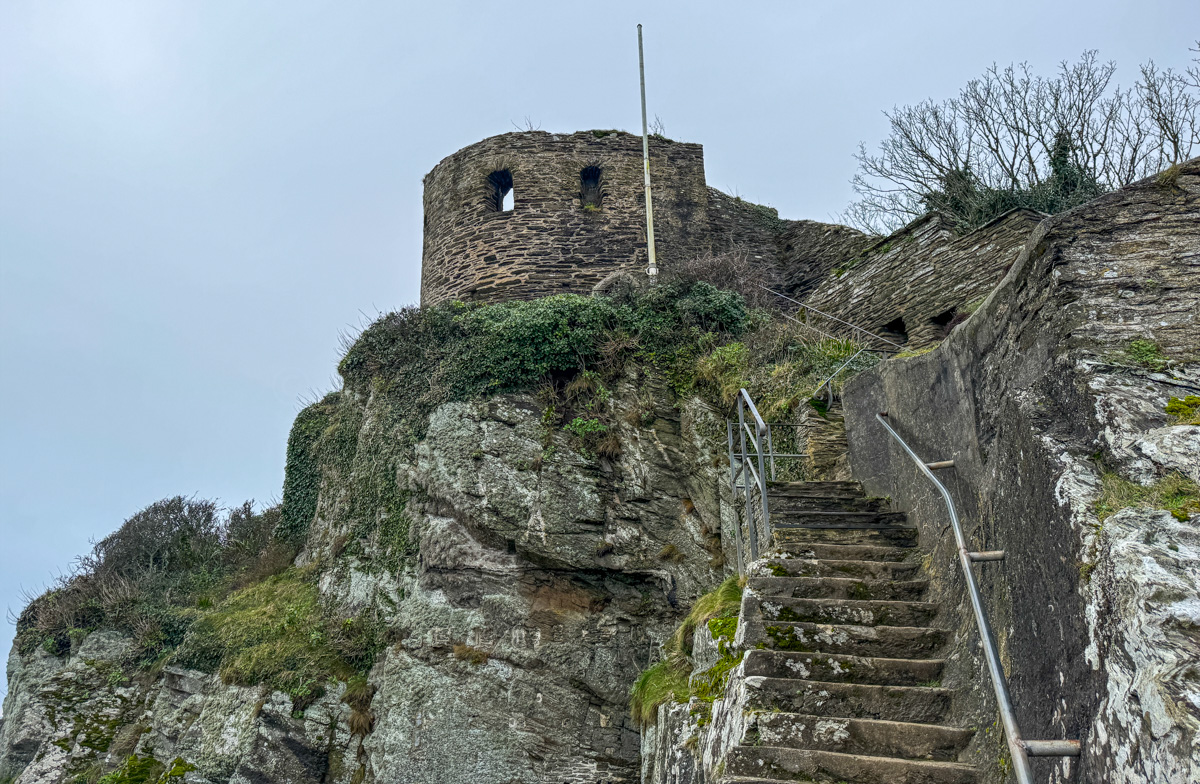
Fowey’s harbour and St Catherine’s Castle both played a genuine defensive role, with the castle fitted with an anti-aircraft gun and ammunition store during the war, part of the wider coastal defence of Cornwall.
How has the china clay industry shaped the port?
China clay, mined further inland around St Austell, transformed Fowey into a major deep water export harbour from the 19th century onward, a trade that continues today and still shapes the working side of the town.
When is the Fowey Museum open?
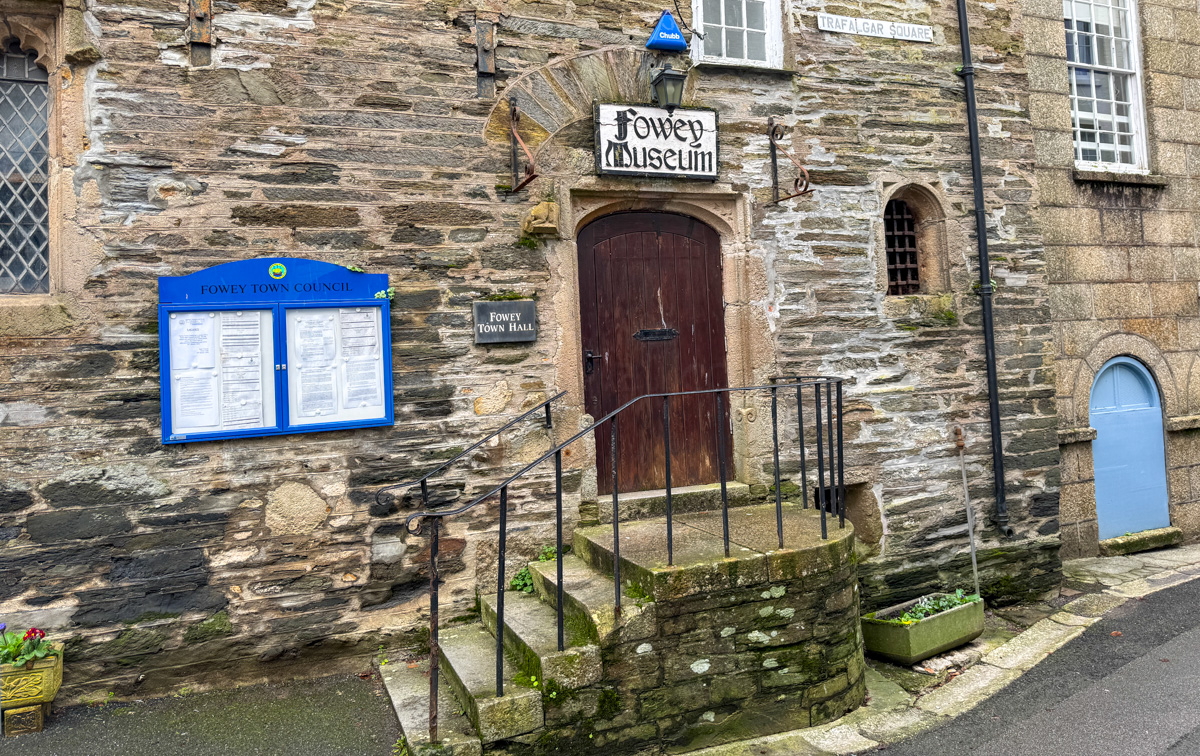
The town museum covers Fowey’s history in more depth, check current seasonal opening days and times before you visit, as these can vary through the year.
Guides

The Ultimate Fowey Travel Guide: 100+ Questions Answered

Fowey Basics & Planning Your Visit
Walks & Outdoors in Fowey

Beaches & Swimming Near Fowey

Getting to & Around Fowey
Food & Drink in Fowey

Literary Fowey
The History of Fowey

Events & Activities in Fowey
The best places to park in Fowey

Hi, I’m JV. As an ex travel photographer, I’ve been all over the world, but there’s nowhere else I’d rather call home than Cornwall. Now I’m putting that experience to work, finding the best of Cornwall for you. I hope you found this article useful. Please check out my socials below: