
St Ives isn’t a pretty seaside town that happens to have a gallery. It’s one of the most significant art destinations in Britain, with a genuine claim to having shaped modern British abstraction. Here’s the story behind it, and a practical guide to seeing it properly.
The Story of the St Ives Art Colony
Why did so many famous artists move to St Ives?
Artists were drawn in the 19th and 20th centuries by the town’s unique, brilliant coastal light, its rugged scenery, and once-cheap living and studio costs. What started as a working fishing port with a handful of visiting painters gradually transformed into a genuine hub for modern abstract art.
What is the history of the St Ives artists’ colony?
Painters were visiting St Ives from the late 1800s, drawn to its harbour scenes much like the nearby Newlyn School. Things shifted decisively after the Second World War, when artists including Barbara Hepworth, Ben Nicholson, Peter Lanyon and the self-taught fisherman-painter Alfred Wallis turned the town into a centre for British modernism and abstraction, a legacy that culminated in Tate St Ives opening on the seafront in 1993.
Why is the light in St Ives supposedly different for painters?
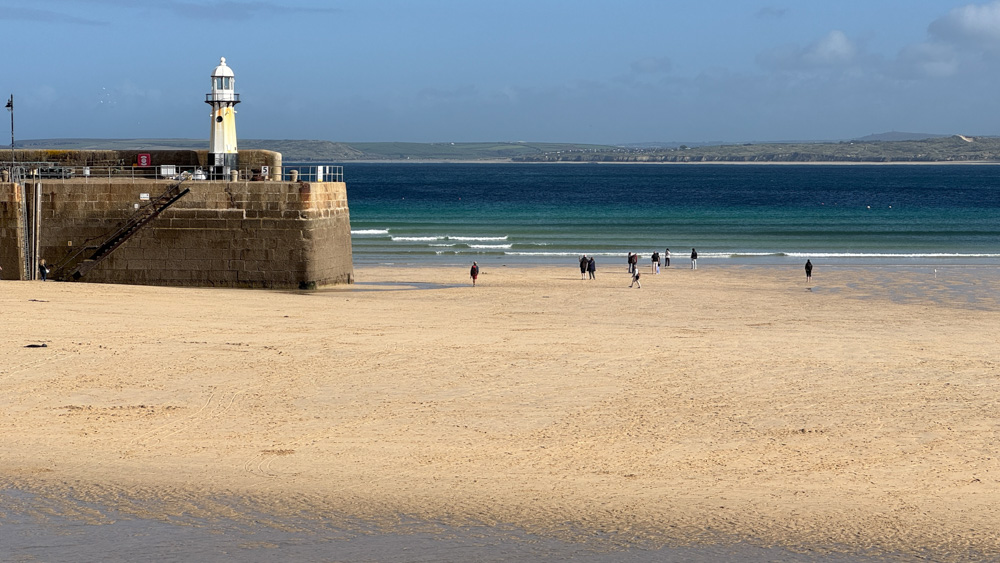
Painters have long put this down to the combination of sea, sky and reflected coastal light around the bay, which is said to create an unusually clear, luminous quality. It’s more artistic lore than hard science, but the effect is real enough that generations of painters have made the pilgrimage to see it for themselves.
Galleries & Museums to Visit
What is Tate St Ives and is it worth visiting?
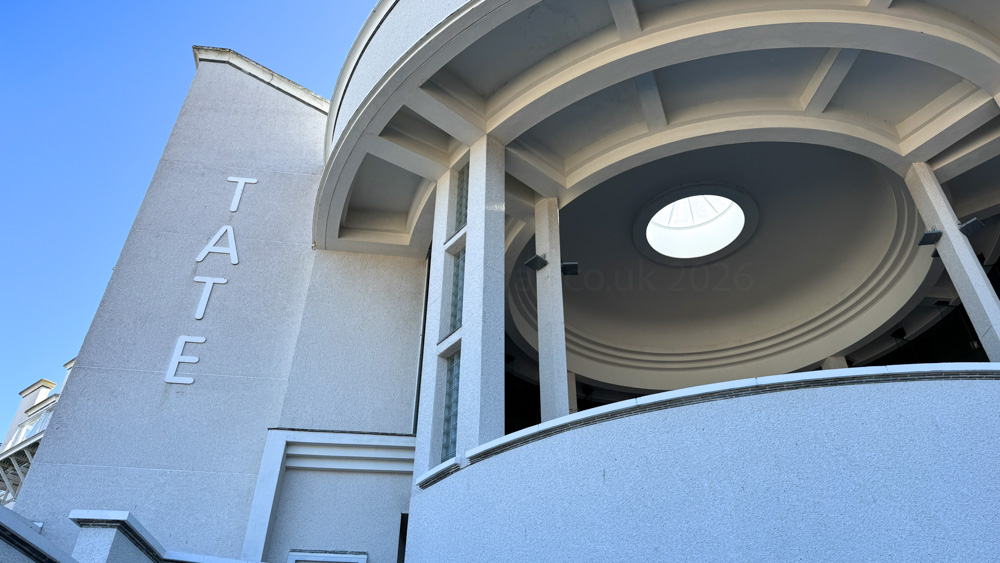
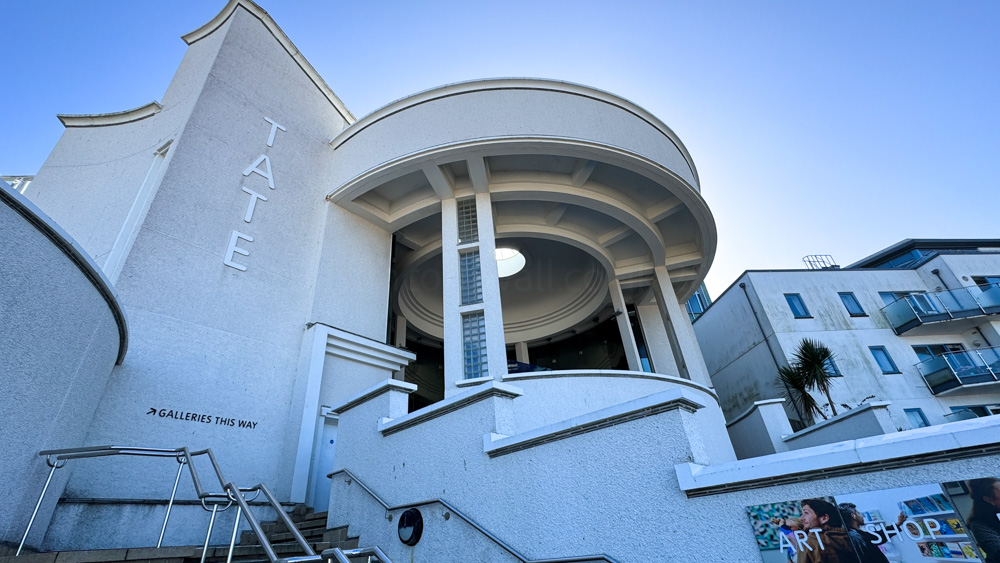
Tate St Ives is a striking gallery overlooking Porthmeor Beach, showcasing modern British art with deep connections to the town, alongside a changing programme of contemporary exhibitions. It’s absolutely worth a visit for the architecture alone, quite apart from what’s on the walls.
Where is the Barbara Hepworth Museum and Sculpture Garden?
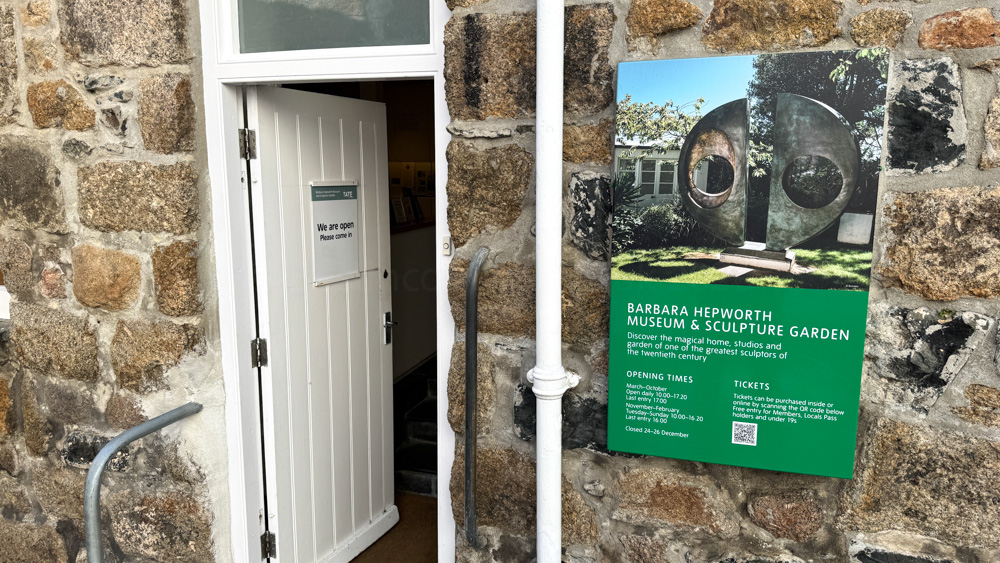
It’s on Barnoon Hill, a short walk from the harbour, occupying Trewyn Studio, the actual house, yard and garden where Hepworth lived and worked from 1949 until her death in 1975. Most of the bronze sculptures still stand exactly where she placed them, which gives the garden a genuinely personal feel rather than a typical museum layout.
Do I need to buy a joint ticket for the Tate and Hepworth museum?
Each site is separately ticketed: visiting the Barbara Hepworth Museum requires its own ticket in addition to Tate St Ives admission. Ticket pricing and any combined-ticket options do change, so it’s worth checking the current Tate St Ives booking page before you visit. Entry is free for under-18s, and Cornwall residents can buy an annual Locals Pass covering both sites.
Can you visit the Leach Pottery studio?
Yes. Bernard Leach founded his pottery in St Ives in the 1920s, and it remains both a working studio and a small museum today, with a strong claim to being the birthplace of British studio pottery. It’s a quieter, more hands-on stop than the Tate, and well worth the walk out to it.
Where is the St Ives Museum located and what’s inside?
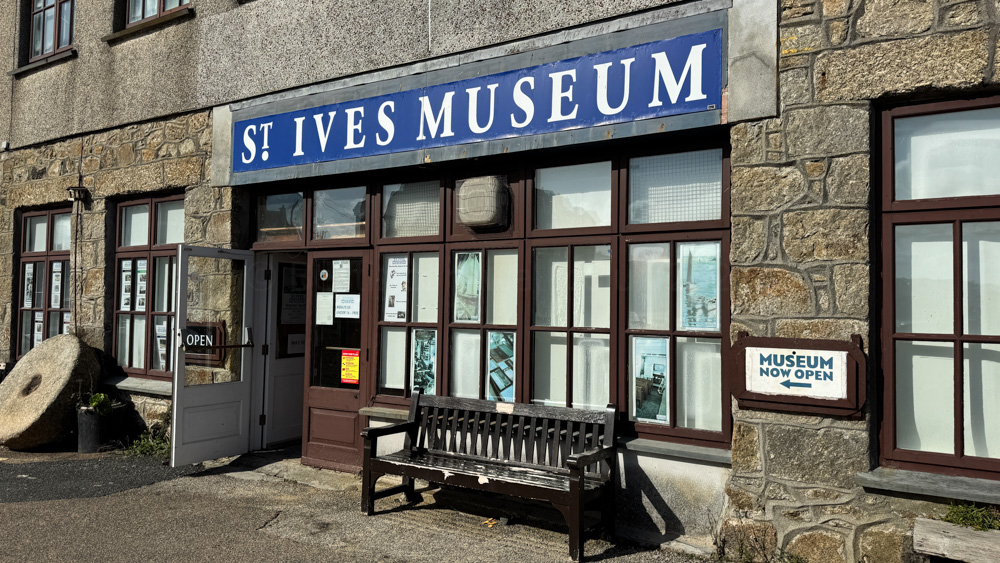
The St Ives Museum is tucked along Wheal Dream, near the harbour and close to Bamaluz Beach. Rather than focusing purely on fine art, it covers the town’s wider social and maritime history: fishing, mining, and the everyday life of St Ives alongside its artistic reputation.
Can amateurs take art classes or workshops in St Ives?
Yes, several local studios and galleries around town run workshops and short courses for visitors, and Tate St Ives also runs its own programme of talks and practical sessions from time to time. It’s worth checking what’s currently scheduled before you travel if this is a priority for your trip.
St Ives Guides
The Ultimate St Ives Travel Guide: 100+ Questions Answered

The best of St Ives for Van Lifers
Planning Your Trip To St Ives
Walking & Exploring St Ives
An Art Lovers Guide To St Ives
Where To Eat In St Ives
Dog-Friendly St Ives
The Ultimate St Ives Beach Guide
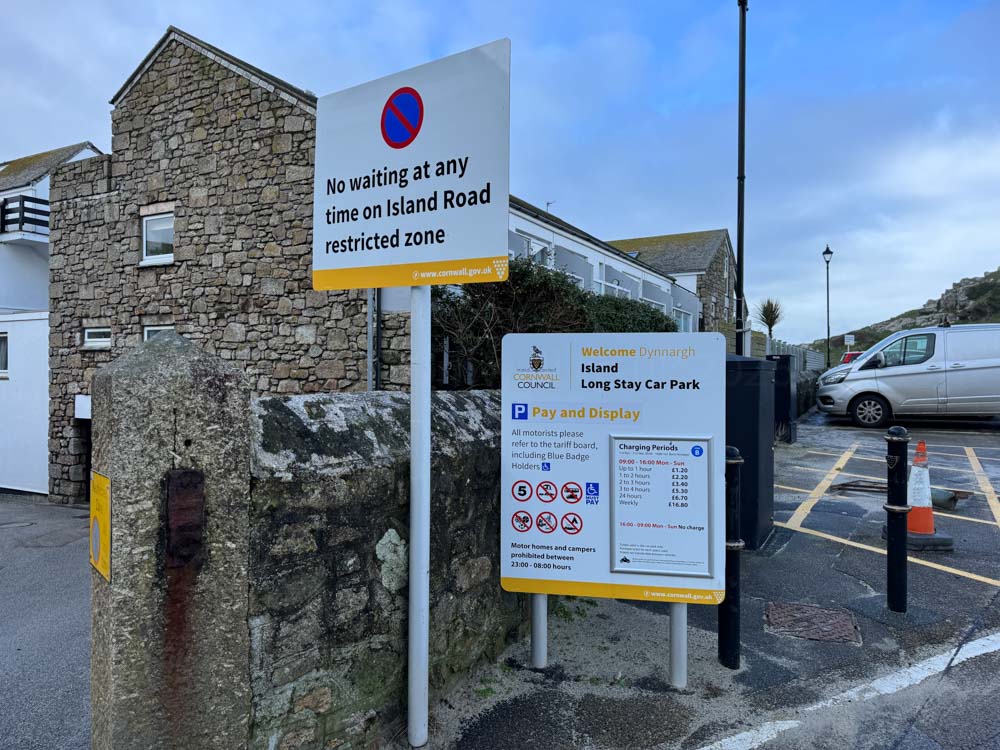
Parking, Trains & Getting to St Ives
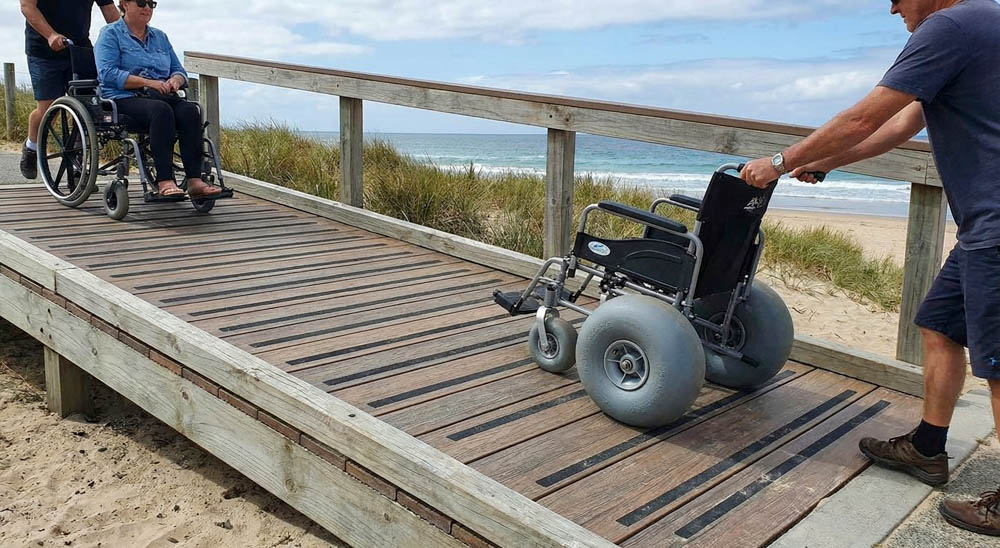
The best accessible places in St Ives

Hi, I’m JV. As an ex travel photographer, I’ve been all over the world, but there’s nowhere else I’d rather call home than Cornwall. Now I’m putting that experience to work, finding the best of Cornwall for you. I hope you found this article useful. Please check out my socials below: