
There is a reason St Ives has drawn painters, potters and sculptors for well over a century. It is the light. Surrounded by the sea on three sides, the town sits in a kind of natural reflector, and on a clear morning the whitewashed cottages of the Downalong quarter seem to glow from within. Turner sketched this coast in the early 1800s; Whistler and Sickert came later; and after the Second World War the town became the beating heart of British Modernism, home to Barbara Hepworth, Ben Nicholson, Patrick Heron, Peter Lanyon and the self-taught fisherman-painter Alfred Wallis. For anyone who cares about art, this is not simply a pretty seaside town. It is a place of pilgrimage.
This guide is for the slow traveller: the one who wants to spend a whole morning in a single gallery, sketch the harbour at low tide, or sit in a working potter’s studio and watch clay take shape. We have gathered the essential galleries and museums, the working studios worth seeking out, the hands-on workshops, and the quiet corners where you can linger with a coffee and a notebook. Take your time. St Ives rewards those who do.
The Light, and Where to Chase It
The famous St Ives light is at its most extraordinary around Porthmeor Beach, on the town’s Atlantic-facing side, where the whole sky opens out to the west. It is no accident that the town’s most important gallery and its historic artists’ studios both sit here.
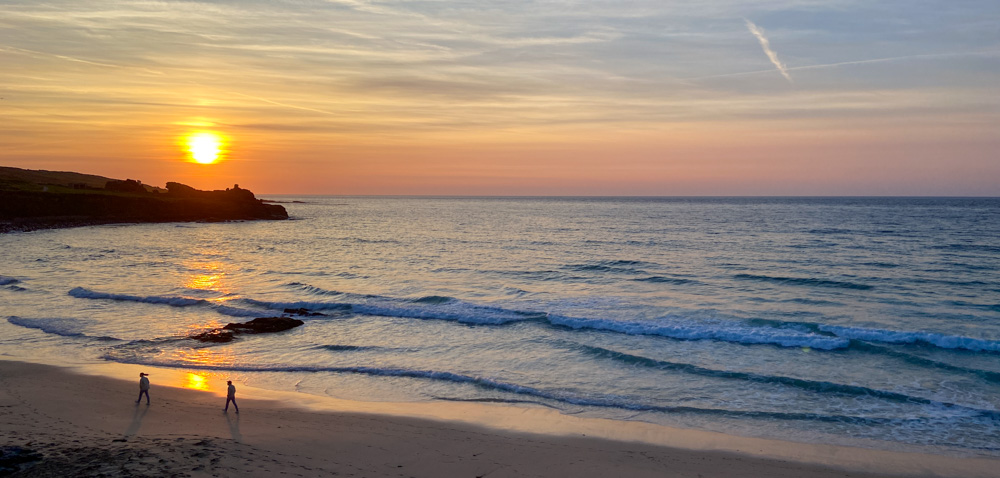
- Porthmeor Beach is the place to understand what the painters saw. The clean northern light here shifts constantly through the day, and the view out towards Godrevy Lighthouse inspired more than one modernist canvas.
- The Island (St Ives Head) gives you a slow twenty-minute loop with the sea on every side. It is one of the best spots in town for a quiet sketch away from the crowds.
- Man’s Head, a few minutes along the South West Coast Path towards Land’s End, is where locals go for the most spectacular sunset. Most visitors crowd the beaches; walk a little further and you will have the light almost to yourself.
Galleries and Museums
These are the anchors of any art lover’s visit. Give each one proper time.
Tate St Ives
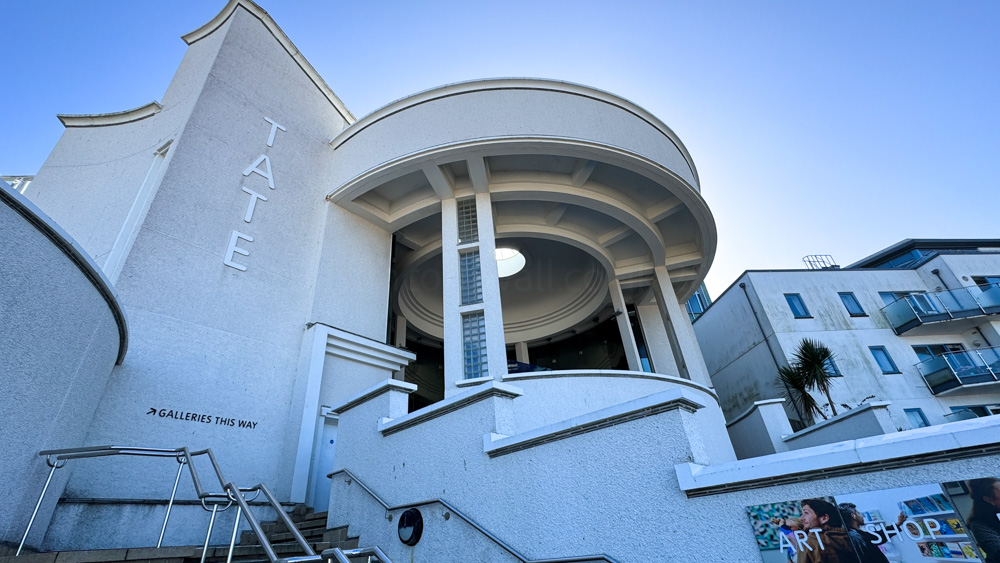
Set directly above Porthmeor Beach, Tate St Ives is the natural starting point. The building itself is worth the visit, its curved forms framing the surf below, and the collection focuses on the modern and contemporary artists connected to the town and to Cornwall. The programme changes through the year, so there is usually something new even for repeat visitors. The rooftop cafe is a fine place to pause and let the work settle.
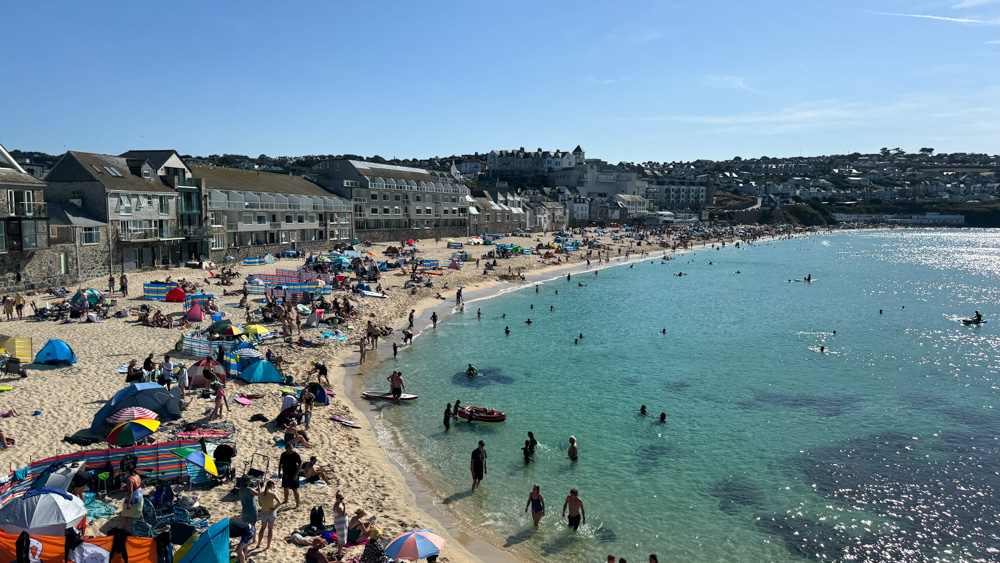
Art lover’s tip: mornings are generally the quietest. Go early, then walk straight down onto Porthmeor to see the same light the artists upstairs were painting.
Barbara Hepworth Museum and Sculpture Garden
If you visit only one place in St Ives, make it this. The former home and studio of sculptor Barbara Hepworth has been left much as it was, with her tools, unfinished works and overalls still in place. The real revelation is the sub-tropical sculpture garden she planted herself, where her bronze and stone forms sit among the greenery exactly as she intended. It is contemplative, intimate and quietly moving. Hepworth also carved the Madonna and Child in the town’s parish church, well worth seeking out afterwards.
The Leach Pottery
Founded by Bernard Leach, the father of British studio pottery, the Leach Pottery is one of the most influential ceramics workshops in the world, with a lineage that reaches all the way to Mashiko in Japan. You can see historic pots in the museum, watch the resident potters at the wheel, and browse work in the shop that ranges from affordable everyday pieces to collector’s items. For hands-on visitors, the pottery also runs throwing sessions and courses through the year; book ahead, as places are limited.
Working Studios and Independent Galleries
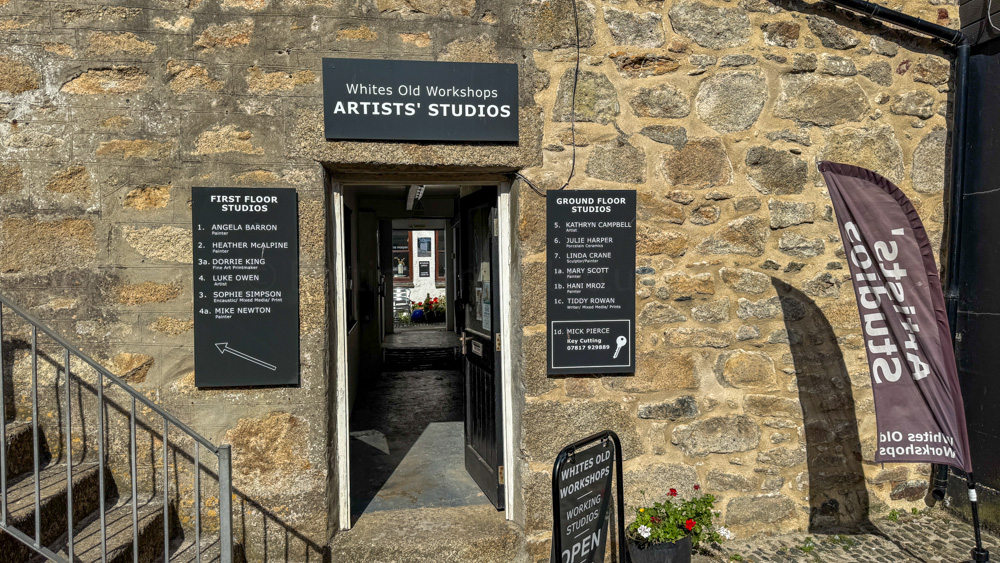
- Porthmeor Studios sit right on Porthmeor Beach, in the historic fish cellars that have been used by artists for generations. These are genuine working studios, and they open their doors to the public at certain times of year, which is a rare chance to see art being made in the very rooms where the St Ives School worked.
- The St Ives Society of Artists shows a rotating programme of members’ work in the atmospheric former Mariners’ Church, a reminder that the town’s living art scene is every bit as active as its heritage.
- Fore Street and the Downalong lanes are dotted with small independent galleries and maker’s studios. Half the pleasure is simply wandering, ducking into a doorway, and finding an artist working at the back.
Hands-On Workshops
St Ives is a place to make as well as to look. If you want to come home with more than photographs:
- The Leach Pottery is the obvious choice for anyone who has ever wanted to try the wheel, taught in the workshop of a genuine ceramics dynasty.
- Coco Kitchen runs chocolate workshops, an easy and enjoyable option and a good fallback if the Cornish weather turns.
- The St Ives September Festival spreads fifteen days of music, art and theatre across the town each autumn, and typically includes open studios and artist-led sessions. If you can time your trip to it, do; it is when the town’s creative life is most visible.
Workshop availability changes seasonally, so check current listings and book in advance wherever you can.
Where to Eat Between Galleries
St Ives is a serious food town, and the best tables suit the slow, reflective pace of a gallery day.
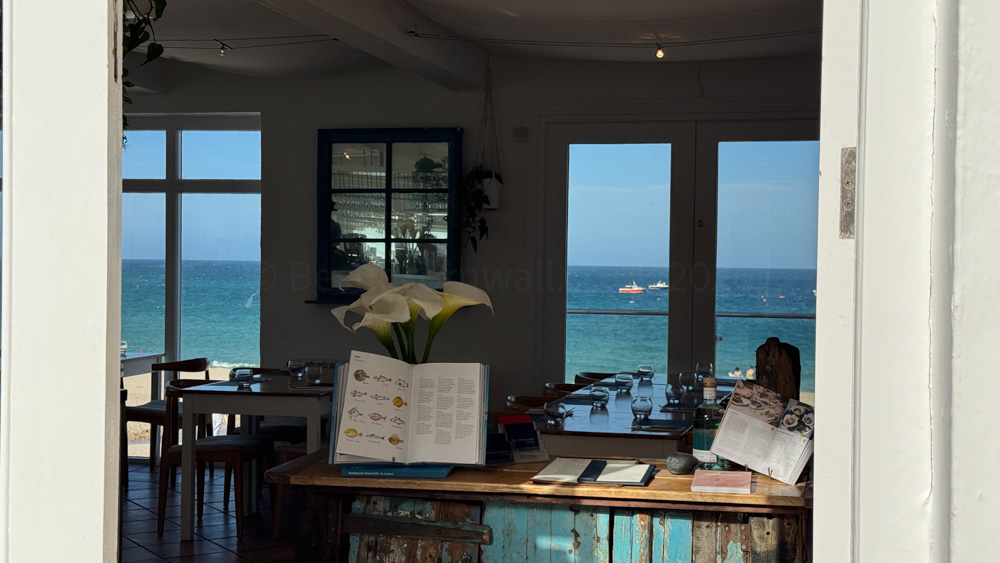
- Porthminster Beach Cafe is one of the finest beachside restaurants in the country, sitting right on the golden sand with long views across the bay. Mediterranean and Asian seafood, much of it built around produce from its own kitchen garden. Perfect for a long, unhurried lunch.
JV’s Comment – We’ve breakfasted here more times than we can count and there’s nothing quite like the crisp morning air with a delicious breakfast in your own outdoor pod. - The Loft Restaurant & Terrace, tucked up in the artists’ quarter, serves modern Cornish cooking with a rooftop terrace over the harbour rooftops. A quieter alternative to the busy harbour front.
- Porthminster Kitchen does elegant small plates overlooking Porthminster Beach, ideal if you want something lighter between exhibitions.
JV’s Comment – We’ve also eaten here several times. There’s nothing better than a seat on the balcony overlooking the harbour, watching the world go by while you tuck into some delicious food and drink. - Ardor on Fore Street is the special-occasion table, a Michelin-listed brasserie cooking Cornish seafood and dry-aged cuts over charcoal. It is one of the hardest tables in town, so book well ahead.
- Blas Burgerworks, near the station, is the go-to when you want a break from seafood. Chargrilled, ethically sourced, eco-minded and often busy; it runs seasonally from around Easter into autumn.
Coffee, Cake and Somewhere to Linger
Every art lover needs a spot to sit, sketch and think.
- The Kiosk on the waterfront is the local coffee pick, pouring single-origin beans roasted by Yallah Coffee here in Cornwall, with good doughnuts and a proper sustainability streak.
- Mount Zion Coffee is a characterful little spot where you are welcome to bring your own cake, exactly the sort of relaxed corner for a slow afternoon.
- Moomaid of Zennor at the harbour serves artisan ice cream, from almond and cherry to a Prosecco sorbet, best enjoyed on a bench watching the boats.
Practical Notes for a Slow Art Trip
When to go. Early June to early October brings the best weather, but off-season St Ives has a particular appeal for art lovers: fewer crowds, softer winter light, and galleries you can enjoy in near solitude. The September Festival is the highlight of the cultural calendar.
Getting there without the stress. The St Ives Bay Line is one of the most scenic short railway journeys in England, hugging the bay from St Erth into town in about ten minutes with sea views the whole way. Park once at the St Erth Park & Ride and let the train do the work; it runs roughly every half hour. Note that the old Lelant Saltings Park & Ride is now closed, so St Erth is the P&R station to head for.
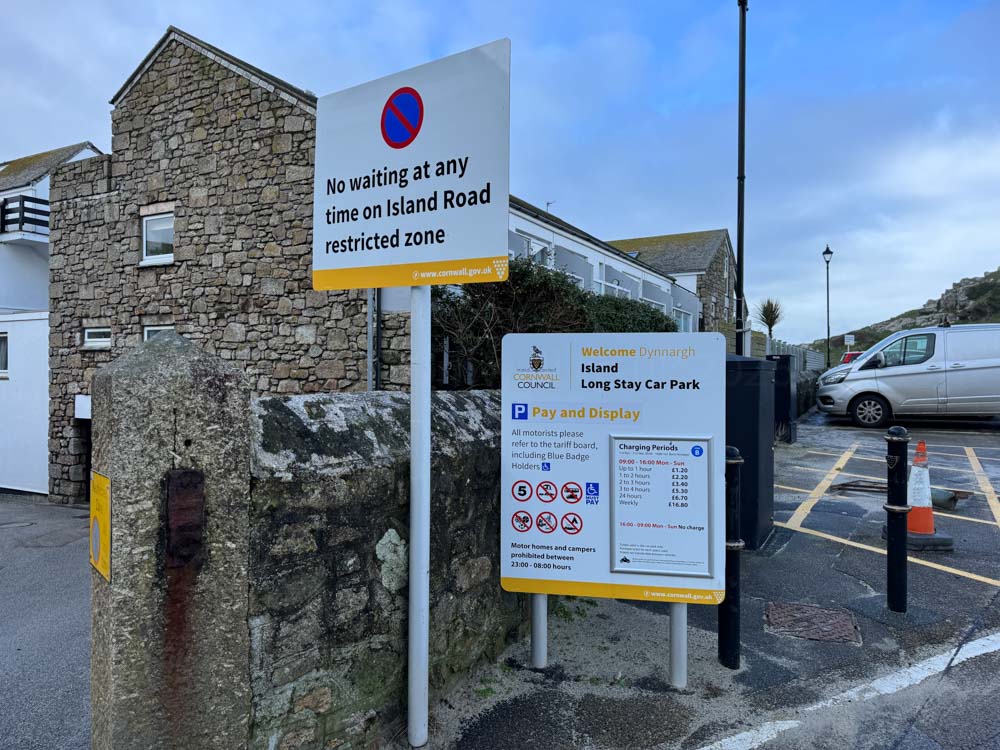
Parking. Parking in St Ives is genuinely difficult in summer, so plan ahead. Trenwith is the largest car park, up on the hilltop with a shuttle bus into town. The small Porthmeor car park by the Tate is handy for the galleries but fills early. If you are staying a week, the 7-day rover ticket covering the Island, Park Avenue, Station and Trenwith car parks is the best value. Honestly, though, the train from St Erth is the calmest way to arrive.
Pace yourself. Two galleries a day is plenty if you want to really look. Build in time for the light between them; that, after all, is the reason everyone came here in the first place.
St Ives Guides
The Ultimate St Ives Travel Guide: 100+ Questions Answered

The best of St Ives for Van Lifers
Planning Your Trip To St Ives
Walking & Exploring St Ives
An Art Lovers Guide To St Ives
Where To Eat In St Ives
Dog-Friendly St Ives
The Ultimate St Ives Beach Guide
Parking, Trains & Getting to St Ives
The best accessible places in St Ives

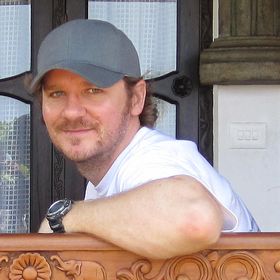
Hi, I’m JV. As an ex travel photographer, I’ve been all over the world, but there’s nowhere else I’d rather call home than Cornwall. Now I’m putting that experience to work, finding the best of Cornwall for you. I hope you found this article useful. Please check out my socials below: