
Newlyn is not a surf beach. There is no line-up here, no peeling peak to check on the webcam before you load the van. What Newlyn has instead is deep water, a working harbour that never stops moving, and a tide-driven rhythm that any salt water pro will recognise instantly. This is Cornwall's biggest fishing port by tonnage, and everything about the place, from the boat movements to the fish auctions to the chandlery on the quay, is dictated by the same tide tables you check before a dawn session. If you live your life reactively, planning around swell charts and tide windows rather than a fixed itinerary, Newlyn will make more sense to you than almost anywhere else on this coast.
Use it as your Mount's Bay operations base. It sits in the shelter of the bay, tucked between Penzance and Mousehole, protected from the full force of the Atlantic by the curve of the coastline and the bulk of Land's End to the west. That shelter is exactly why it matters to you: when the north coast is blown out or maxed out on a big winter storm, Mount's Bay is often still flat, clean, and diveable, swimmable, or launchable. Newlyn is where you come to regroup, refuel, fix gear, and figure out where the swell and wind are actually doing something useful that day.
Reading Mount’s Bay: Tides, Shelter and the Swell Window
Mount's Bay faces broadly south and east, which means it sits outside the direct firing line of the big north-west Atlantic groundswells that light up Fistral or Gwithian. That is a feature, not a bug. On days when the north coast is a washing machine of close-out white water, Mount's Bay stays comparatively calm, sheltered by the granite mass of Land's End and the Lizard Peninsula either side. It only really wakes up for surf when a big south-westerly swell wraps hard around the peninsula, and even then it arrives smaller and more organised than the swell that generated it.
Newlyn's own harbour is tide-locked to a working schedule. Boats land their catch against the tide, not against the clock, and the harbourmaster's team manage the flow of fishing traffic around the state of the water. As a visiting water sports pro, treat the harbour tide table the same way you would a surf forecast: check it before you plan a launch, and never assume you have priority. The commercial fleet always does.
Launch Points and Slipways
Newlyn's harbour is a working port first, and a recreational launch second, so know the etiquette before you turn up with a kayak or a board on the roof. Sandy Cove, at the old harbour end towards Penzance, is the most useful spot for visiting water people. It is run by the harbour authorities rather than the council, and while it is a pay and display area, it gives you the most direct access to open water without crossing the main commercial piers.
The golden rule here, and it is non-negotiable, is to give way to the fish trucks. Mary Williams Pier and the North Pier are working zones, clearly marked with restricted access, and they are not the place to unload a paddleboard during a landing. If you are heading out for a dawn swim, a SUP session, or to meet a dive charter, use Sandy Cove and stay well clear of the main quay while the boats are working.
Dive and Charter Access from the UK’s Biggest Fishing Port
Newlyn's scale is what makes it useful to divers and sea anglers rather than surfers. As one of the busiest fishing ports in the UK, with boats landing everything from mackerel and monkfish to crab and lobster, the harbour has the infrastructure that pure holiday resorts lack: proper slipways, fuel, ice, and skippers who know Mount's Bay's reefs and wrecks better than anyone. Several charter operators run out of Newlyn and neighbouring Penzance, taking divers and anglers out into the bay and beyond towards the Runnel Stone and the wreck-strewn waters off the Lizard.
This is deep, current-affected water with real commercial traffic, so it rewards experience over improvisation. If you are chartering a boat, book through the harbour office or an established local skipper rather than trying to freelance a launch from the public slipway; the working fleet has priority and the harbour team will point you in the right direction.
Cold Water Recovery: Jubilee Pool and Battery Rocks
A short walk or a five-minute drive along the seafront towards Penzance brings you to two of the best cold water assets on this stretch of coast. Jubilee Pool is a striking Art Deco seawater lido cut into the rocks, with a geothermally heated section that takes the edge off a proper Cornish winter swim. Battery Rocks, right alongside it, is the spot serious open water swimmers use for tidal, unheated sea swimming, with steps into deep water and none of the surf chop you get on the exposed beaches further west.
For a salt water pro based in Newlyn, this pairing is ideal: a genuine open water session at Battery Rocks followed by a warm-up lap at Jubilee Pool, all within sight of St Michael's Mount across the bay.
When the Swell Wraps: South Coast Options Near Newlyn
Mount's Bay is not where you come looking for barrels, but on the right combination of a big south-westerly groundswell and a calm day, waves do wrap into a handful of south coast beaches nearby. Praa Sands, a short drive east, is the one local surfers watch most closely, picking up more swell than most of the bay thanks to its more open aspect. Further round towards Land's End, Sennen Cove faces almost due west and catches proper Atlantic swell directly, making it the obvious call when Newlyn itself is glassy and swell-starved.
Treat any south coast session as opportunistic. Check the swell direction and period before you commit; these breaks work on specific conditions rather than reliably, which suits the reactive, chase-the-window approach that comes naturally to anyone used to working around a fishing port's tide table.
Gear, Repairs and Fuel
Newlyn's working harbour means chandlery, engineering, and marine supplies are close at hand, even if dedicated surf shops are not. For board and wetsuit hire, the nearest proper options are in Penzance, a ten-minute drive away, or further west towards Sennen if you are chasing swell on the open Atlantic coast. If you need a quick repair, a gas fill, or fuel for a tender or jet ski, the harbour's commercial suppliers are more useful than anything aimed purely at holidaymakers, a genuine perk of basing yourself somewhere that exists to serve boats first.
Refuel Like You Mean It
Nobody does a post-session feed like a working fishing village. Mackerel Sky Seafood Bar serves fast, tapas-style plates built entirely around the day's landing, ideal if you want to eat quickly and get back out before the light goes. For something more substantial after a long day on the water, the Tolcarne Inn does proper, technically sharp seafood in a genuine pub setting, and Lewis's Fish & Chips on the harbour front is exactly what you want with salt still drying on your skin. If you are just passing through between sessions, Duke Street Cafe is a reliable stop for coffee and something hot before you check the next tide.
Practical Notes for Water People
Park at St Peter's Hill if you are heading out on foot along the coastal path towards Mousehole, a flat, scenic mile that makes a good warm-up walk before or after a swim. Duke Street car park is your best bet for a quick harbourside stop, though the stay limits are short. For anything involving kit, boats, or a slipway launch, Sandy Cove is the practical choice, but always check for restricted zones before you unload; this is a working harbour, and the fishing fleet's schedule beats your session every time.
Newlyn Guides
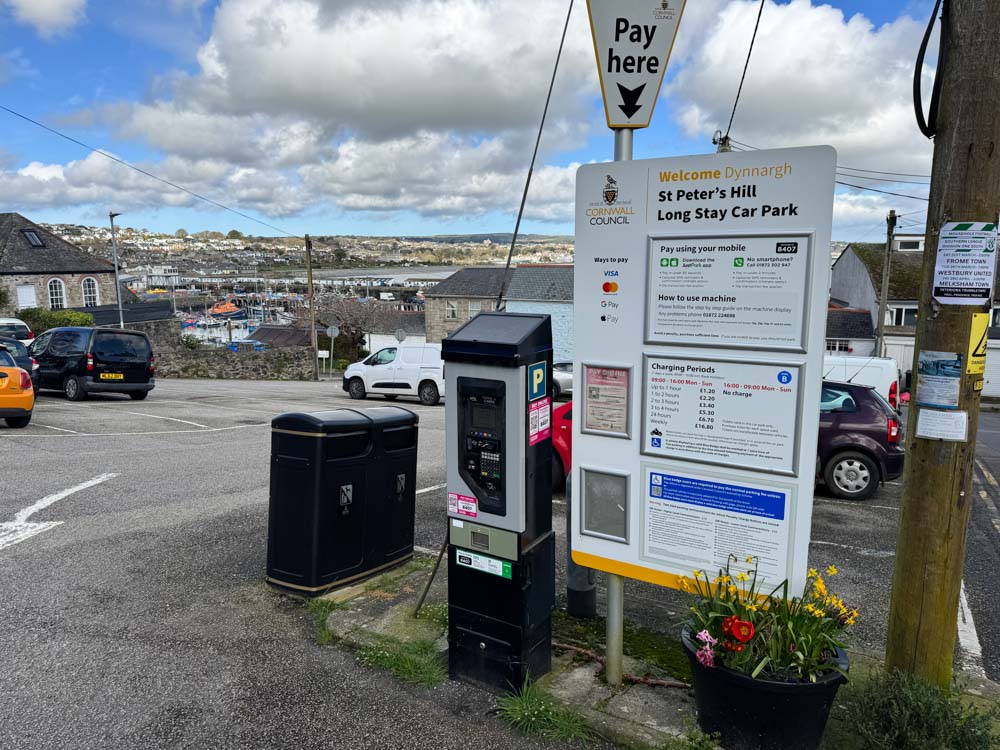
The best places to park in Newlyn
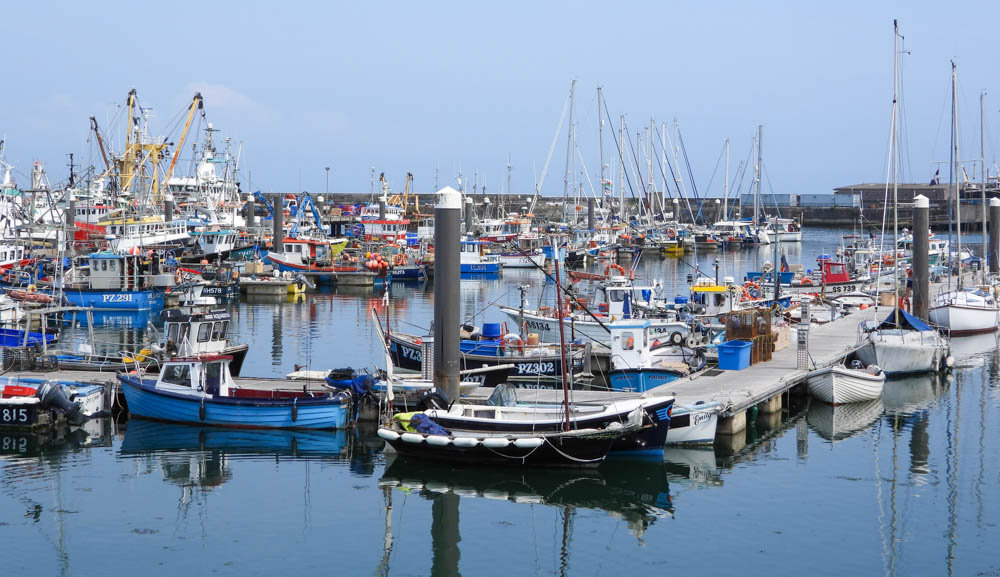
The best things to do in Newlyn
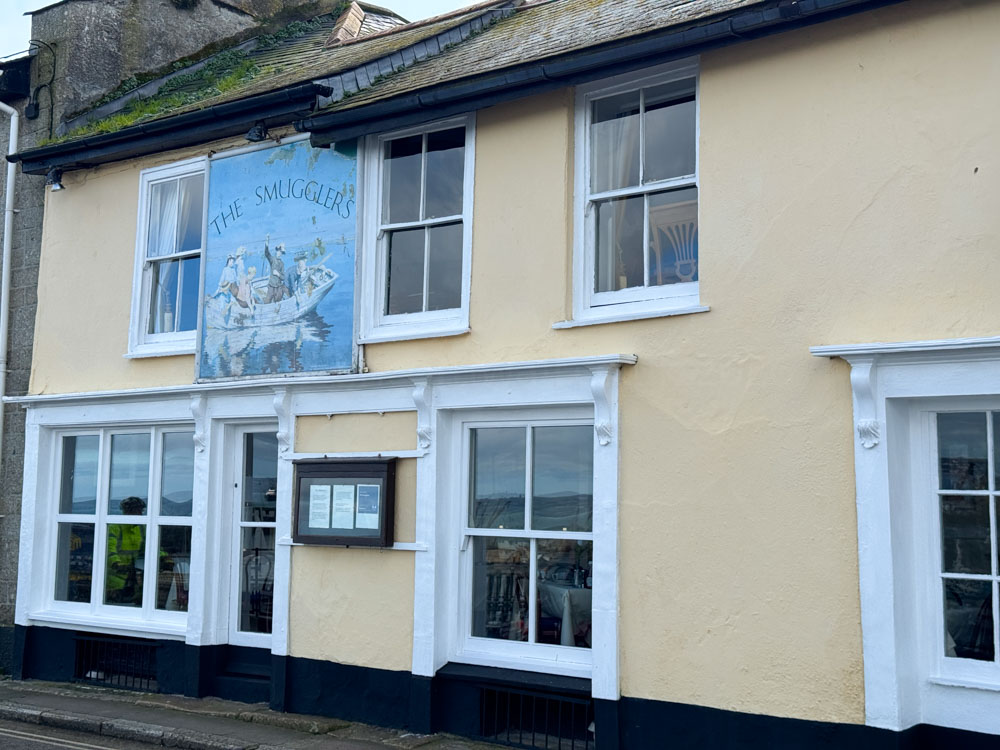
The best places to stay in Newlyn
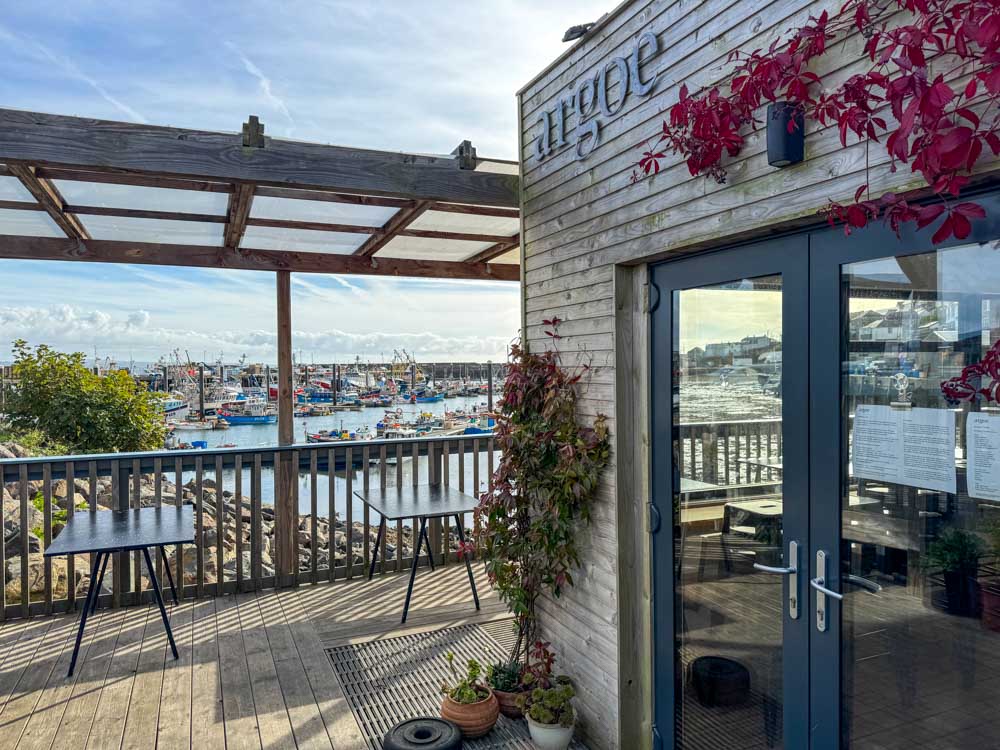
The best places to eat in Newlyn

Hi, I’m JV. As an ex travel photographer, I’ve been all over the world, but there’s nowhere else I’d rather call home than Cornwall. Now I’m putting that experience to work, finding the best of Cornwall for you. I hope you found this article useful. Please check out my socials below: