
Truro is Cornwall’s only city, and for a remote worker that actually matters. You can walk across the whole place in fifteen minutes, yet it has what the coastal villages don’t: a mainline station on the Penzance to London line, signal that actually holds up in the valley, and cafes where nobody bats an eyelid at a laptop on the table. Need a meeting room for an hour? You can book one. Take the 10am client call, then still get your afternoon walk down to the water. That’s the trade-off Truro solves.
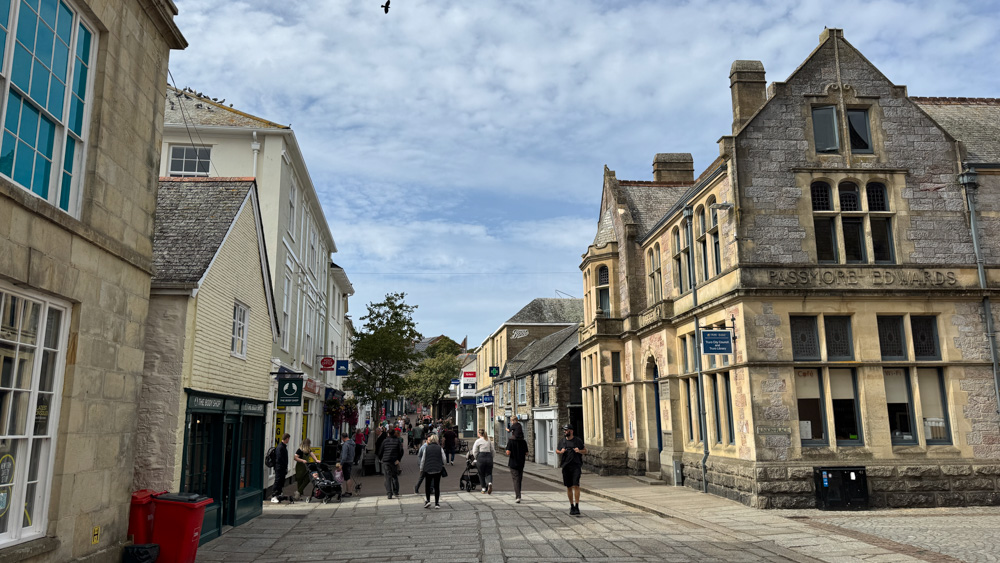
The pitch is simple. Anchor here for a week or a season, work productive mornings in the city, then use the excellent transport links to disappear to the north or south coast in your downtime. You get Georgian townhouses, three cathedral spires on the skyline, a farmers’ market twice a week and a genuine food scene, all wrapped around the practical stuff that keeps a location-independent career running. Below is our nomad-first breakdown of where to work, where the signal holds, and where to close the lid when the light goes golden.
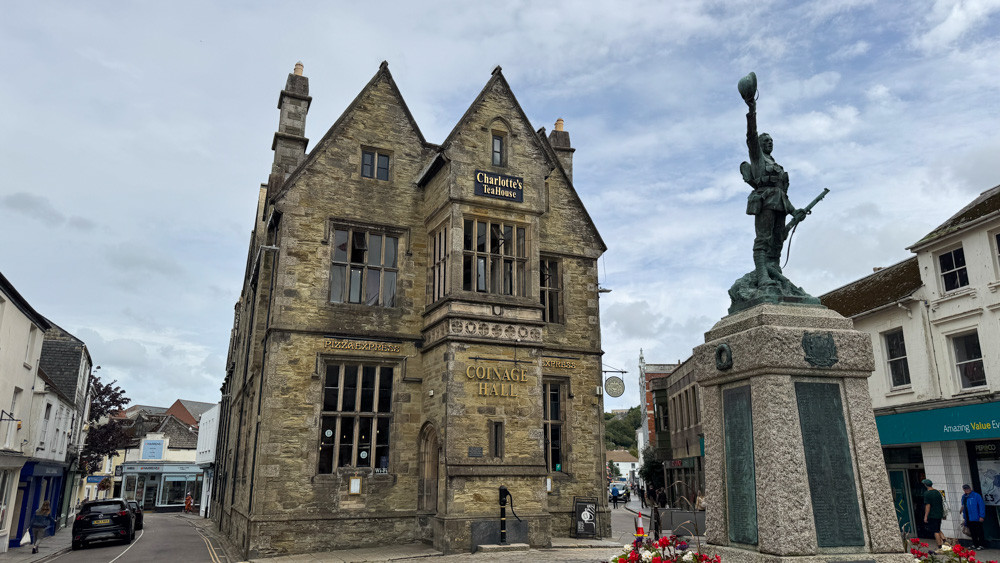
JV’s Comment – 14 Pydar Street is where you will find the ‘Select – Apple Premium Reseller‘ store – one of the few places in Cornwall where you can buy new and replacement Apple gear.
Where to work: desks, meeting rooms and quiet corners
Truro does not have a giant surf-and-work co-working barn like Newquay, and that is rather the point. What it has instead is flexible, affordable, professional space right in the centre, which suits nomads who value quiet and reliability over table football.
Truro Library and Community Hub. The most cost-effective bookable space in the city, and our first recommendation for anyone who needs a room rather than a desk. The refurbished central library complex offers private rooms for hourly hire, typically from around £12 an hour, with screens, whiteboards and genuine quiet zones. It is ideal for a team sync, a recorded interview, or a client presentation when a cafe corner will not do. As a bonus, the public library floors themselves are a reliable free spot for a heads-down morning with power and Wi-Fi.
Health and Wellbeing Innovation Centre. Sitting up by the Royal Cornwall Hospital site on the edge of the city, this is the polished, corporate end of the scale. Think proper video-conferencing suites, high-end AV, digital screens and on-site technical support, with meeting rooms from around £30 an hour. If you are pitching, hosting, or running a hybrid session where the tech absolutely cannot glitch, book here. It is a short hop from the centre, so factor in the Park and Ride or a taxi.
A note on registration. Publicly funded spaces usually ask for a quick, free sign-up online before you can book, and if you are bringing paying clients into a hired boardroom, have your public liability certificate to hand. It saves an awkward morning.v
Laptop-friendly cafes and Wi-Fi corners
Truro’s cafe scene is built for lingering, which is good news when you have three hours of admin to clear. A few local rules: the mornings are calm and the afternoons buzz, so front-load your focus work; always buy something every hour or two; and run on battery if you cannot see a socket, because not every table has one.
108 Coffee House. On Kenwyn Street, this is the serious caffeine choice. They roast their own beans, the coffee is excellent, and the cosy, art-filled space is well suited to a solo focus block once the early rush thins out. Best for a single strong session rather than a full nine-to-five.
Bread and Butter. Tucked behind River Street, this is an oasis of calm with a sun-trap courtyard that feels more European plaza than Cornish city centre. It is our pick for a working brunch: order the pancakes or a frittata, take a courtyard table on a bright morning, and clear your inbox before the lunch crowd arrives.
Hub Box. Housed in a converted chapel on Kenwyn Street, the high ceilings and big tables make this a comfortable spot for a late-morning stretch of work over a coffee before the burger-and-craft-beer trade takes over. Better for casual email triage than deep focus once it fills.
The Green Room Cafe. Inside the Hall for Cornwall on Lemon Quay, this is spacious, modern and right in the cultural heart of the city, which makes it a dependable fallback when your usual spot is rammed on market day.
For takeaway fuel between sessions, Lawrance’s Bakery on New Bridge Street does pasties consistently rated among the best in Cornwall, and their doughnuts are enormous. Perfect desk fuel that costs less than a flat white.
Connectivity: mobile signal and staying online
Truro sits in a river valley bowl where the three rivers meet, and mobile coverage is genuinely good for Cornwall. In our experience and by the general provider pattern down the peninsula, Vodafone and O2 tend to perform strongly in the major market towns and southern river valleys, Truro included, while EE is the one to lean on if your downtime takes you up to the rugged north coast and the high moors. Three is usually solid in the urban centre but drops off fast once you head into the remote coves.
If your work depends on always being reachable, a dual-SIM setup is the sensible insurance policy. Pairing a Vodafone or O2 line with an EE line means that when you drive out to a steep coastal valley where granite blocks one mast, the backup can often catch a signal from a ridge tower across the bay. And if you are working from a camper van, remember that a metal van build behaves like a Faraday cage: a roof-mounted external 4G or 5G antenna wired to an internal router will reliably turn a wobbly one-bar phone signal into a clean, call-ready connection.
For van-based nomads sizing a workstation off-grid, a realistic remote-work load of laptop, router, monitor and phone charging draws roughly 60 to 90 watts an hour. To run a six-hour day safely you want at least a 100Ah LiFePO4 leisure battery with around 200W of solar to counter the overcast Cornish skies, and always charge a premium laptop through a pure sine wave inverter. Modified sine wave units are cheaper but will damage sensitive power bricks and flicker your monitor.
Quiet corners for golden hour
The whole appeal of nomading in Cornwall is closing the laptop and being outside within minutes. Truro delivers, even though it is not on the coast itself.
Boscawen Park. A short walk or drive from the centre, this riverside park is the city’s green lung, with floral displays, tennis courts and a gentle path along the water towards Malpas. It is our top pick for a decompress-after-work stroll, or a phone-only day working from a bench with the tide coming in.
Truro Cathedral. One of only three cathedrals in the UK with three spires, and entrance is free. If you need ten minutes of complete quiet between calls, the soaring interior is hard to beat, and timing a visit for a choir practice turns a break into something memorable.
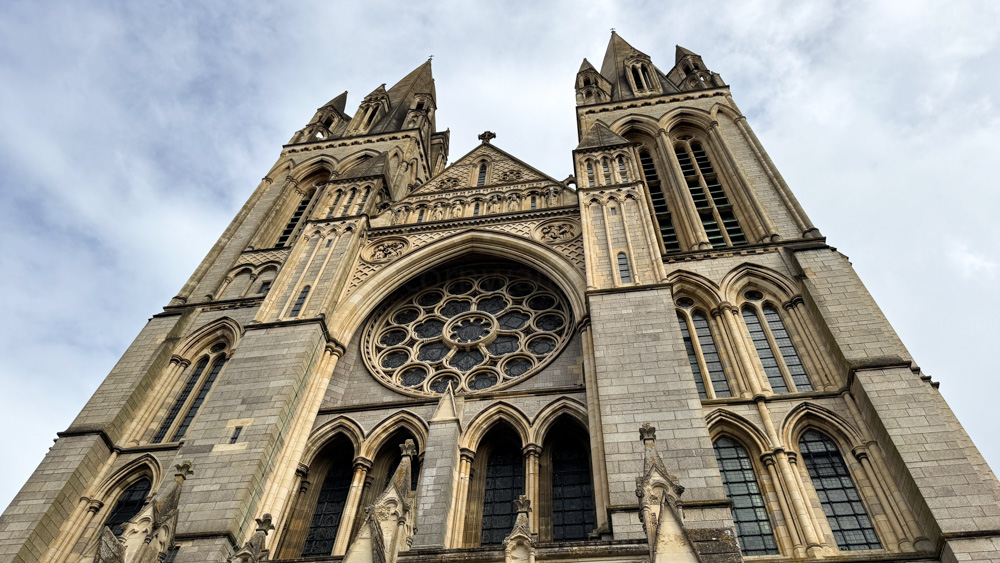
The boat to Falmouth. For a proper downtime reset, the Enterprise Boats service runs from Town Quay down the Fal River to Falmouth. It is one of the most scenic short trips in the UK, passing Trelissick and laid-up ships, and it is tide-dependent, so check times. Work a strong morning, then let the river carry you to the sea.
Anchoring in Truro: base, transport and logistics
Where to base yourself. For a longer stay, look for somewhere with reliable Wi-Fi and space to work rather than just a bed. Mannings Hotel on Lemon Street offers self-catering apartments that suit extended stays, giving you room to set up a proper desk with the service of a hotel. Hotel VARA, a ten-minute walk from the cathedral, leans into the remote-work crowd with a Scandi aesthetic, social workspace areas, a relaxed bar and free on-site parking, and it is dog-friendly and affordable. At the grander end, The Alverton is a Grade II* listed former convent on the hillside, better suited to a treat week than a budget month, but a memorable place to reward yourself after a big deadline.
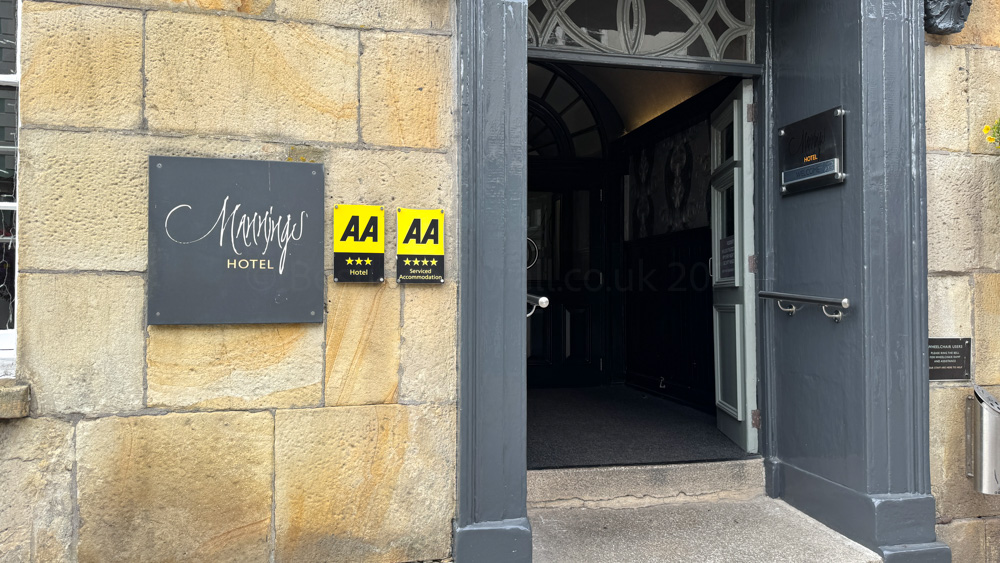
Getting in and around. Driving into Truro is the classic trap; the city sits in a bowl and every road funnels down into congestion, and the multi-storey section of Moorfield Car Park has been closed due to structural issues, which has cut central capacity. Use the Park and Ride: Langarth to the west for arrivals off the A30, and Tregurra to the east for the St Austell and Newquay side. One ticket covers parking and the bus for everyone in the car. If you need to park in town, Garras Wharf is the largest surface car park and the least stressful to navigate, while Old Bridge Street is handy for short stops near the cathedral.
By rail. Truro station is on the mainline to London Paddington, which makes the city a rare Cornish base you can reach and leave without a car, and a genuinely viable spot for a nomad flying visit or a monthly commute back up-country.
A quick word on the centre. Truro is a friendly, safe city, though like anywhere it has the odd late-night flashpoint in the pub-and-club streets. Stick to common sense after dark and you will find it one of the most relaxed working bases in the county.
Truro Guides
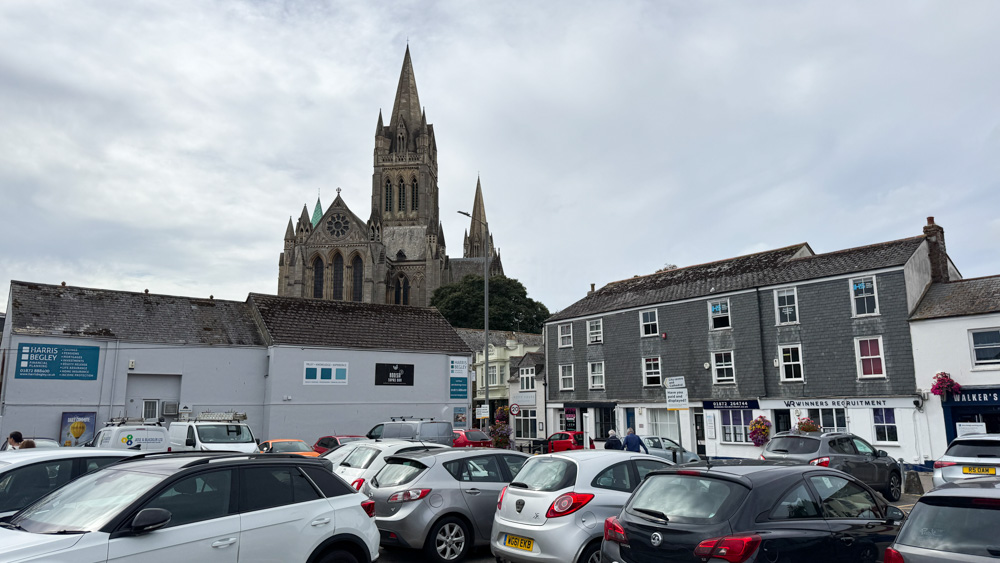
The best places to park in Truro
The best things to do in Truro
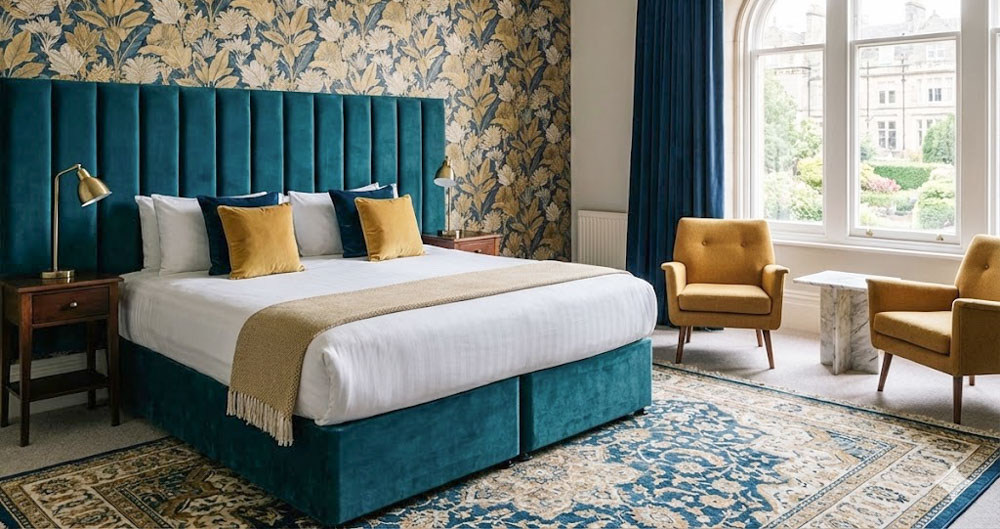
The best places to stay in Truro

The best places to eat in Truro
Hi, I’m JV. As an ex travel photographer, I’ve been all over the world, but there’s nowhere else I’d rather call home than Cornwall. Now I’m putting that experience to work, finding the best of Cornwall for you. I hope you found this article useful. Please check out my socials below: