
Rock doesn't ask anything of you. That's precisely why it works for wellness seekers. While the village has a reputation for polish and champagne on the quay, its real gift is something quieter: a wide, sheltered estuary, miles of dune and beach with nobody on them before ten in the morning, and a rhythm dictated entirely by the tide rather than a clock. There is no itinerary here, only intention.
What makes Rock different from Cornwall's surf coast is its calm. The Camel Estuary sits protected from the full force of the Atlantic, which means the water is gentler, the wind is softer, and the whole village exhales at a different pace to Newquay or St Ives. If your idea of a good trip is slow mornings, cold water, good food and long silences, this stretch of the north coast was built for you.
Wild swimming in sheltered water
Most of Cornwall's wild swimming culture is built around cold, punchy Atlantic breaks. Rock is the exception. The Camel Estuary is calm and sheltered, which is exactly why it has long been a haven for sailing, paddleboarding and swimming rather than surfing. For wellness seekers who want the reset of cold water immersion without the adrenaline of a big swell, this is one of the gentlest entry points on the whole coast.
Early morning is the time to do it, before the sailing club's dinghies are out and while the water is glassy and still. Walk down from the village toward the beach, wade in slowly, and let the cold do what cold water always does: sharpen the senses, slow the breath, quiet the mind. There is no need for a class or a guide here, just good sense about the tide and the temperature.
Quiet beaches and barefoot walks
Rock's beach is the start of something much longer. At low tide, the sand stretches all the way toward Daymer Bay and beyond, and this walk is one of the most restorative things you can do in Cornwall without spending a penny. Bare feet, an empty horizon, the Padstow shoreline glowing across the water; it is the kind of unhurried mile that resets a busy nervous system faster than any spa treatment.
Daymer Bay itself is worth building an entire slow morning around. It is a genuinely peaceful beach, wide and dune-backed, and considerably quieter than the main Rock waterfront in high season. We'd recommend parking here rather than fighting for a space in the village, and simply walking in along the sand or through the dunes. It turns a parking problem into a wellness ritual.
A sacred pause at St Enodoc
Hidden among the dunes near Rock, St Enodoc Church is one of the most quietly moving spots in Cornwall. It is tiny, half-sunk into the sand over centuries, and the walk to reach it, weaving through the golf course and marram grass, is itself a kind of walking meditation. The poet Sir John Betjeman is buried here, in a peaceful plot overlooking the estuary, and even on a busy summer weekend the churchyard tends to stay hushed.
This is the sort of place we'd encourage you to visit without a plan. Sit on the grass for ten minutes. Notice the light on the water. There is no ticket, no opening hours to work around, just a quiet corner of Cornwall that has been offering stillness to visitors for a very long time.
Space to breathe and move
Rock doesn't have the large-scale retreat infrastructure of somewhere like Carbis Bay, and we won't pretend otherwise. What it offers instead is space, which for many wellness seekers is just as valuable. The wide, flat sands at low tide are made for a self-led yoga flow or a barefoot breathwork session before the day starts. The Camel Estuary is a designated Site of Special Scientific Interest and a genuinely rewarding place for slow, mindful birdwatching, wading birds and wildfowl moving across the mudflats at low tide in a way that naturally slows your own pace to match.
If you want a more structured practice, check locally before you travel; small pop-up yoga and breathwork sessions do appear around the village in peak season, often run from beach cafes or the sailing club in the early morning. For a fuller retreat experience with guided classes, treatment rooms and Ayurvedic-inspired therapies, the Carbis Bay area further down the coast runs seasonal wellness retreats worth combining with a few slow days in Rock.
Nourishing, local food
Wellness isn't about deprivation here, it's about eating well. Rock has quietly built one of the best food scenes on the north coast, and much of it leans naturally toward the fresh, seasonal and local rather than heavy or fussy.
The Mariners, the gastropub overseen by Paul Ainsworth in partnership with Sharp's Brewery, is the village's best-known kitchen and a genuinely lovely place for a long, unhurried lunch overlooking the estuary. Expect Porthilly oysters and local monkfish alongside pub classics done properly. The upstairs dining room is the calmer of the two spaces if you want quieter surroundings.
For something smaller and more intimate, The Dining Room, run by a husband and wife team, offers a seasonal tasting menu built around Cornish produce in a genuinely peaceful, personal setting just up from the main beach. And Four Boys, overlooking the ferry point, is a bright, family-run spot built around handmade pasta and hyper-local seafood; it's an easy, wholesome place to refuel after a morning swim or a long dune walk.
Karrek, the fine dining restaurant at St Enodoc Hotel, is currently closed for a major renovation under the Ainsworth Collection and expected to reopen in summer 2026, so it's worth checking before you plan a visit around it.
Slow living and rest
Much of Rock's restorative power comes simply from its setting rather than any single facility. The village sits within Cornwall's Area of Outstanding Natural Beauty, surrounded by dunes, coastal path and open estuary, and that landscape does a lot of the work for you. A late-afternoon walk along the coastal path, a warm bath after a cold swim, an early night with the window open to the sound of the water; this is Cornwall healing without trying, exactly as it should.
If you want to bookend a stay in Rock with a proper spa day, the wider Camel Estuary area and the coast toward Carbis Bay have a small handful of hotel spas worth combining with your trip. In Rock itself, treat the estuary as your spa: cold water, clean air, and very little else.
Practical notes for a calm arrival
Getting to Rock without stress matters as much as anything you do once you're there.
- Arrive early. The village has one main road in and one main waterfront car park, so traffic can queue back up the hill on busy summer days. Arriving before 10am avoids the worst of it.
- Consider Daymer Bay as your starting point. Rather than circling for a space in the village, park at Daymer Bay and walk the mile or so along the beach or coastal dunes into Rock. It's a genuinely beautiful way to arrive and turns a parking headache into part of the experience.
- Check the tide before you walk. The long beach walk toward Daymer Bay is at its best at low tide; check tide times before setting out so you're not caught having to cut a walk short.
- Take the ferry across to Padstow slowly. The short passenger ferry across the Camel Estuary is a lovely, unhurried way to spend twenty minutes if you want a change of scenery without leaving the water behind.
- Layer up. Even calm estuary water and Atlantic air can turn cool quickly once you're out of the sun, especially after a swim.
Rock rewards visitors who arrive with no fixed plan. Let the tide decide your walk, let the cold water decide your morning, and let the quiet do the rest.
Rock Guides
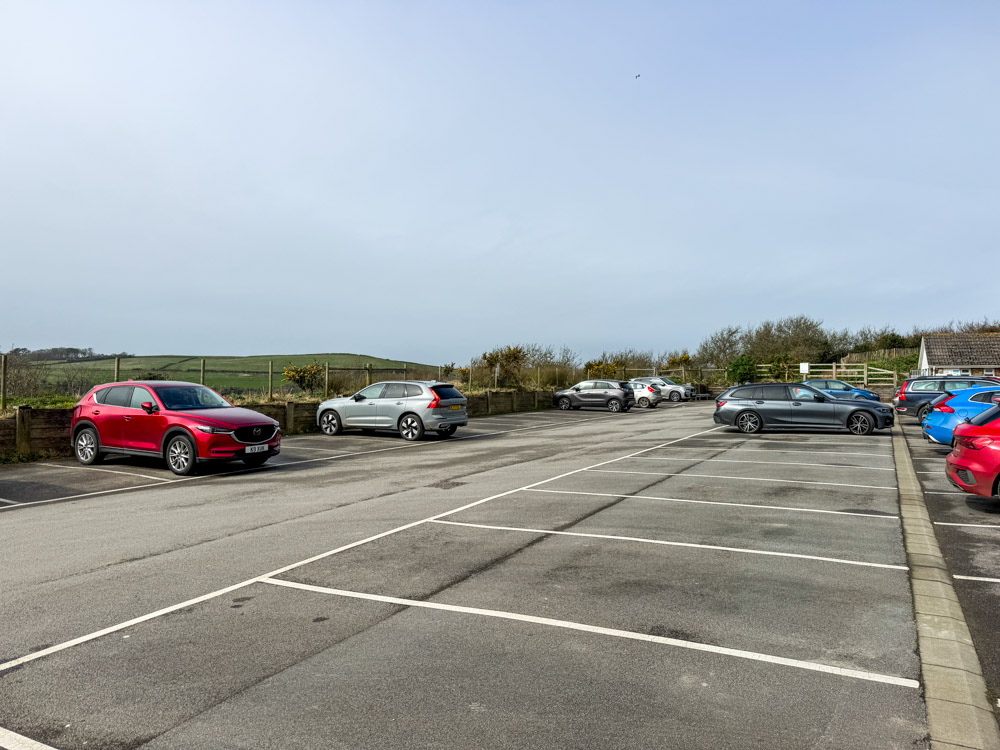
The best places to park in Rock

The best things to do in Rock
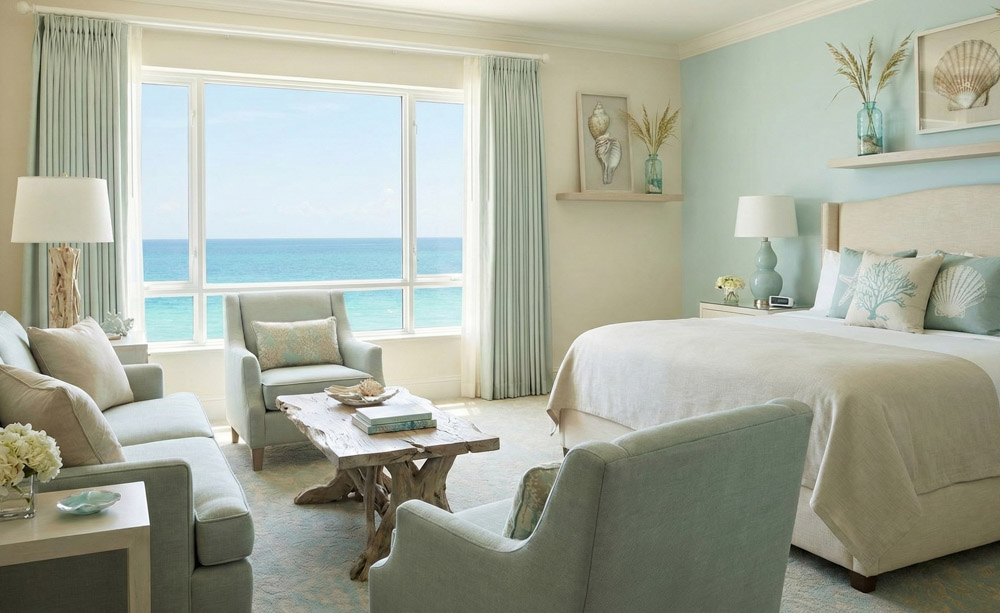
The best places to stay in Rock

The best places to eat in Rock
Hi, I’m JV. As an ex travel photographer, I’ve been all over the world, but there’s nowhere else I’d rather call home than Cornwall. Now I’m putting that experience to work, finding the best of Cornwall for you. I hope you found this article useful. Please check out my socials below: