
I live in Cornwall, and winter is when I’m out with the camera the most, filming dolphins, humpback whales and bluefin tuna from the coast. It’s also the season most visitors never see, which is a shame, because it’s one of the best.
Cornwall is warmed by Atlantic waters linked to the Gulf Stream, so winters here are milder than almost anywhere else in the UK; temperatures hover around 4-9°C and it’s not unusual to see daffodils in bloom along sheltered hedgerows before Christmas.
Running loosely from November 2026 through to February 2027, this is the season of short, ferocious Atlantic storms, empty beaches, and log fires in granite-walled pubs. There is rarely a hard frost on the coast, but you will get “mizzle” (mist and drizzle combined), so pack accordingly.
I’ve already covered a lot of this ground in detail: my storm season in Cornwall guide has the full storm watching listings, I’ve mapped out winter walks around St Ives, Mousehole and Fowey, and my Christmas in Cornwall guide covers the festive side of the season.
This article pulls the whole winter together: what’s worth doing, where to eat and stay, and exactly what’s open when half the county shuts its doors for January.
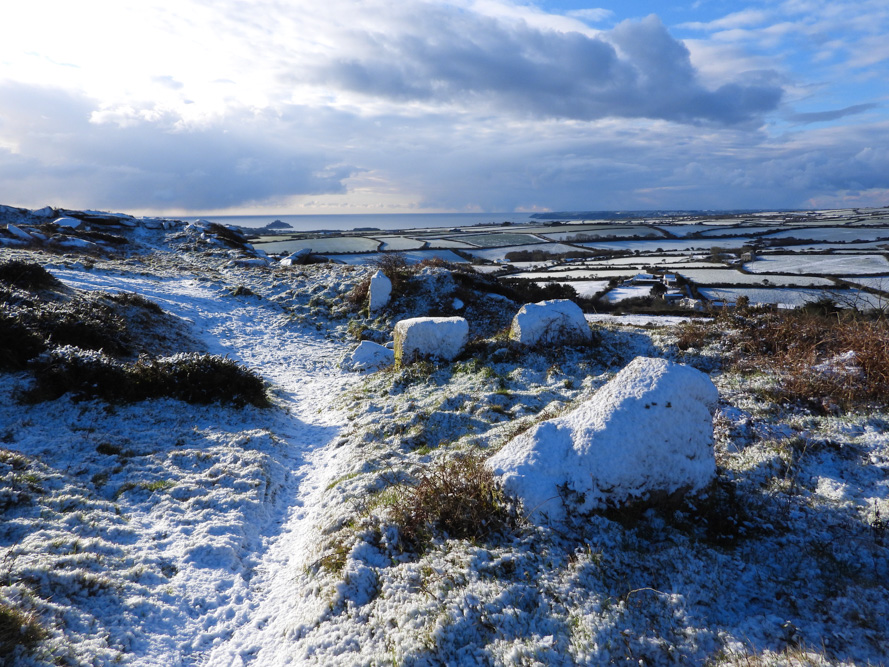
My Top Picks
If you only do three things this winter, make them these. Each works regardless of what the Cornish weather throws at you.
Storm watching at Porthleven and Penzance
Porthleven is the county’s best-known storm watching spot; its harbour walls see genuinely enormous waves break over them when an Atlantic low pressure system hits. Penzance’s promenade offers the same spectacle with easier, flatter viewing, as waves break directly over the prom wall rather than a harbour edge.
The Spot: Porthleven harbour for drama, Penzance promenade for flat, step-free viewing.
The Safety Note: Stay well back from the edge; the sea can pull loose rock and pull people in without warning.
The Reward: A hot drink afterwards at the Harbour Inn.
Mullion Cove is also worth the detour for a stormy winter sunset if you’re driving that way.
I get into more spots, plus safety advice, in my storm season guide.
A sheltered walk when the north coast turns wild
Cornwall is the only county in England with a north and south coast within a short drive of each other, which is useful in winter. When the wind is howling off the Atlantic and the north coast, including the stretch west of St Ives and around the Lizard, becomes exposed and difficult, the Helford and Fal estuaries on the south coast can be calmer and walkable almost regardless of the forecast.
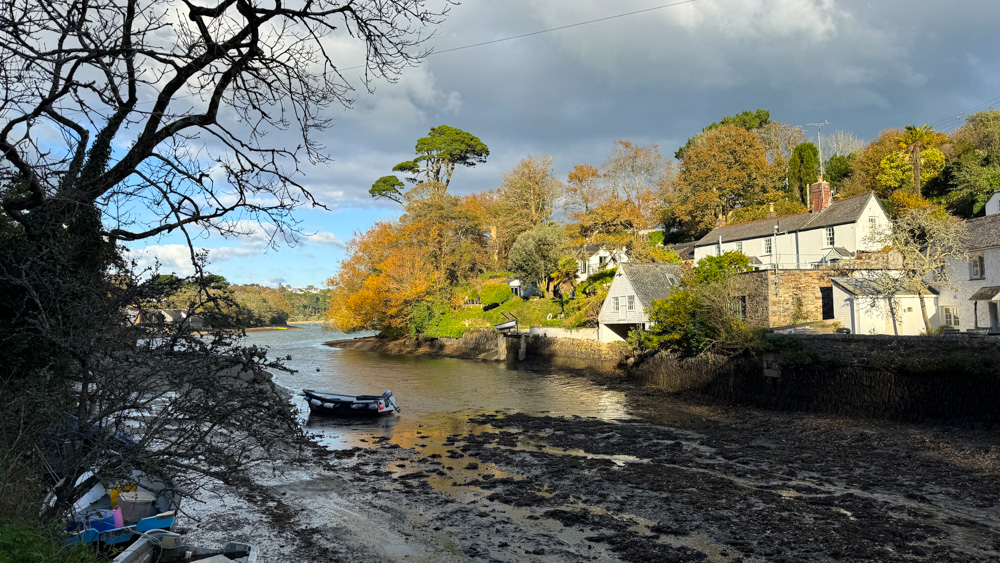
The Route: Helford or Fal estuary paths on a wild day; the coast path east of St Ives on a calmer one.
The Shelter: Wooded estuary sections cut the wind right down.
The Detail: I’ve written full turn-by-turn winter walks around St Ives, Mousehole and Fowey if you want a ready-made route rather than planning your own.
Learn more about the best walks in Cornwall here.
Christmas lights on the harbour
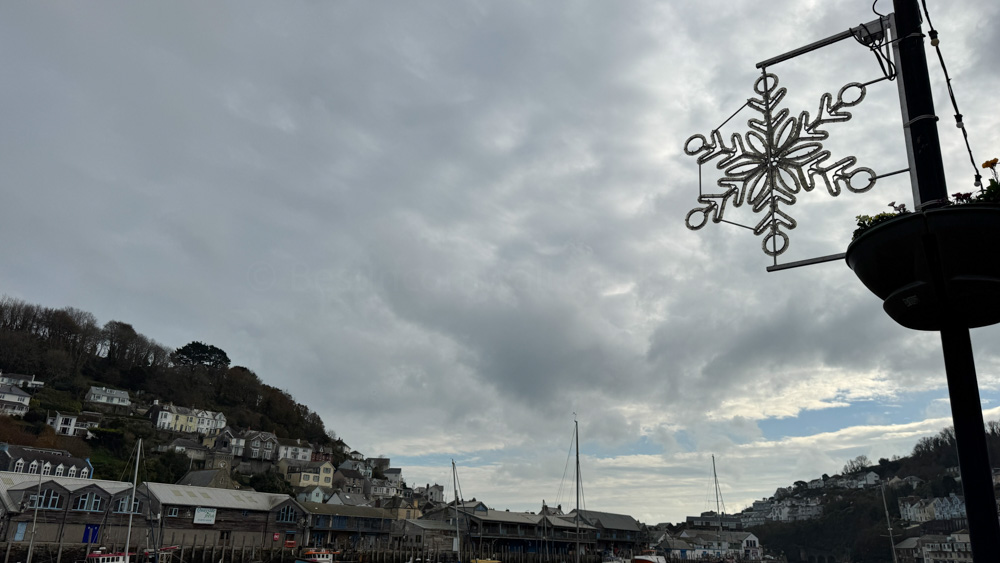
Looe and Polperro both hang their harbours with Christmas lights that reflect beautifully on calm winter water, and both run Christmas markets with local craft stalls. Dates for 2026 switch-ons and market weekends vary year to year, so check before you go.
The Vibe: Small, strung lights over working harbours rather than a big town display.
The Timing: Early evening, around dusk, when the lights contrast against the dark water.
My Christmas in Cornwall guide has the full festive rundown, including markets, lights and seasonal openings.
Quieter Beaches This Winter
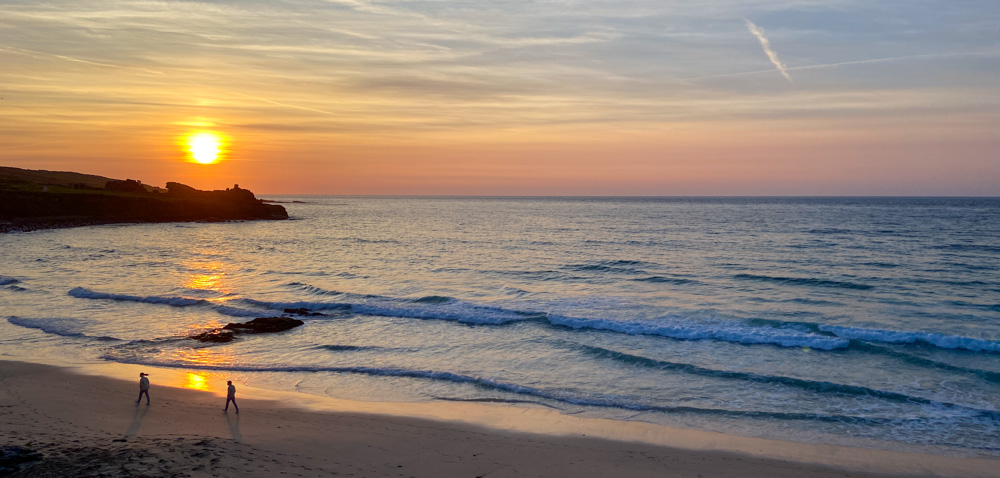
Cornwall’s beaches empty out from October onwards, and most lift their summer dog restrictions at the same time, so you’ll likely share the sand with a dog walker or a surfer rather than a crowd.
Porthminster, Porthmeor, Porthgwidden and Harbour Beach (St Ives): All four are blissfully quiet in winter. Porthminster is flat enough to walk at low tide all the way round to the harbour and lifeboat station, a good option if you want level ground underfoot.
I’ve written more on this in my Winter in St Ives guide.
Carbis Bay: Just along the coast path from St Ives, Carbis Bay Beach is a good base for watching Atlantic swell roll in.
Gyllyngvase (Falmouth): A sheltered south coast beach that stays walkable and swimmable through winter.
Learn more about Cornwall’s beaches here.
Cold Water Swimming
Dawn and dusk are the prime times for a winter dip, and counterintuitively, the earlier in the season you swim, the warmer the water still is. Carbis Bay and Lantic Bay near Fowey are two of the best spots for it. There are no lifeguards on any Cornish beach in winter, so only swim if you know the conditions, and always have warm, dry clothes waiting on the sand.
Wildlife to Watch For
Winter brings a different cast of wildlife to the coast and countryside, and it’s one of my favourite things about this time of year. Seals and dolphins are regularly spotted in St Ives Bay and around Carbis Bay. I’ve noticed more dolphin sightings over the winter months than at other times, so it’s always worth keeping an eye on the water.
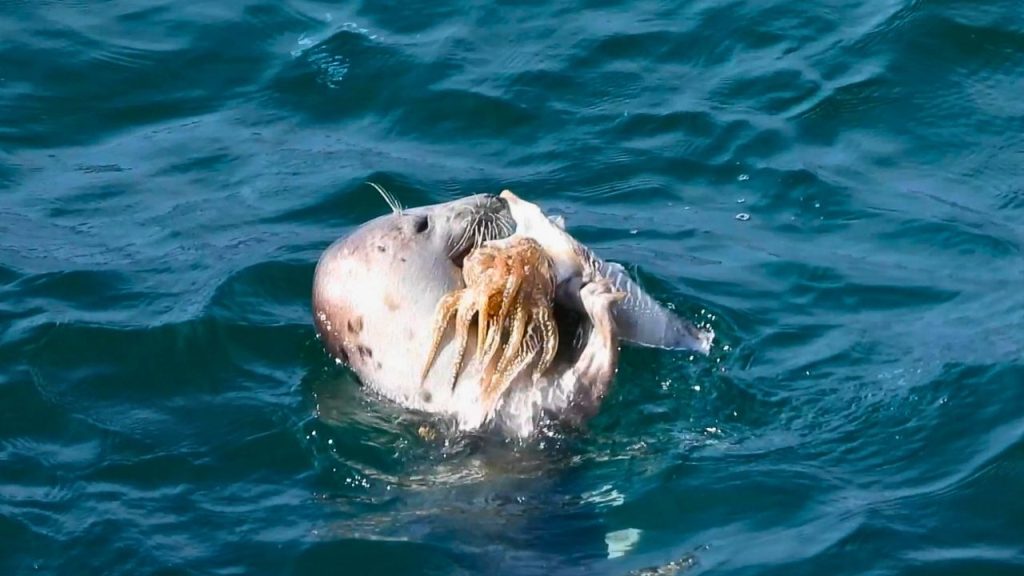
Humpback whales are the big prize. Most Cornish sightings come between December and March, with a peak in January and February, and I’ve been lucky enough to see and film them in St Ives Bay. Bluefin tuna are best known as a late summer and autumn sight, but I’ve filmed them off Land’s End anywhere between September and January, and some of my footage has been featured on local news programmes. Sightings are never guaranteed, so bring binoculars and patience.
Inland, salmon swim upriver to spawn, and Bodmin Moor’s wild ponies are easiest to spot against the bare winter moorland. We live close to the countryside, and every evening I hear the tawny owls hooting at dusk, which is an absolute delight.
Watch my winter wildlife videos on my JVsCornwall YouTube channel:
Cosy Places to Eat and Drink
Winter food in Cornwall is all about warming up after a walk on the coast path. The pubs have their fires lit, the restaurants are quieter, and the menus lean on what the colder months do best.
Here are some of my favourite places to eat.
In Falmouth, the Greenbank Hotel sits right on the water. Its Water’s Edge restaurant looks out over the harbour, and The Working Boat, a dog friendly pub just below the hotel on the quay, is the place for a pint and pub food after a walk.
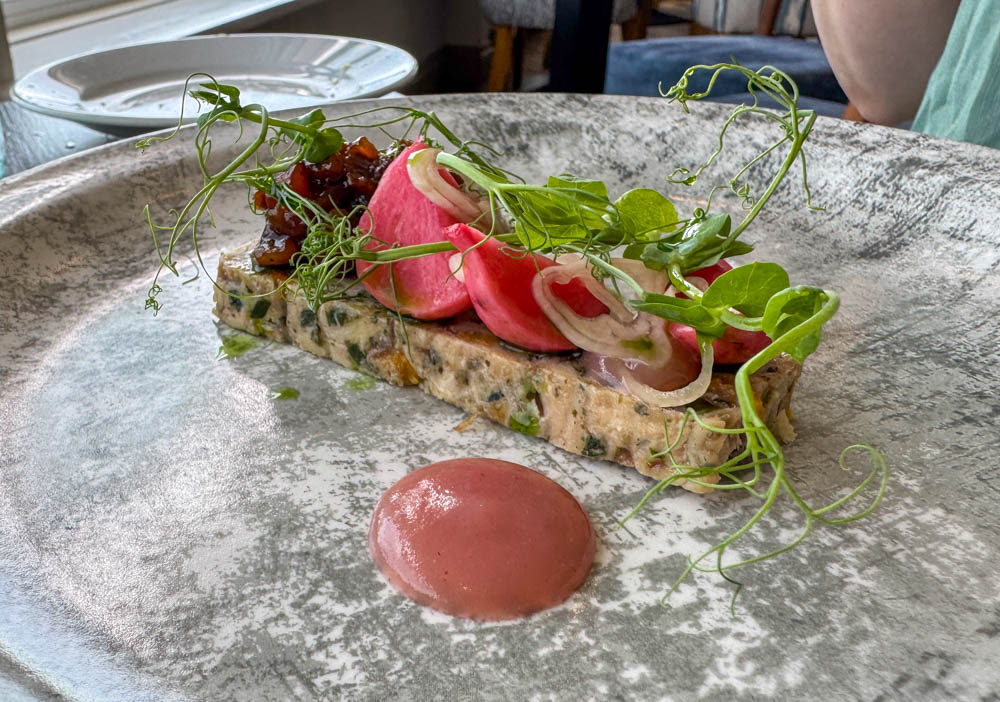
Just outside Newquay you’ll find my favourite restaurant for a special meal, the Tartan Fox. We’ve eaten there twice now, and every visit has been perfect. You can read my review here.
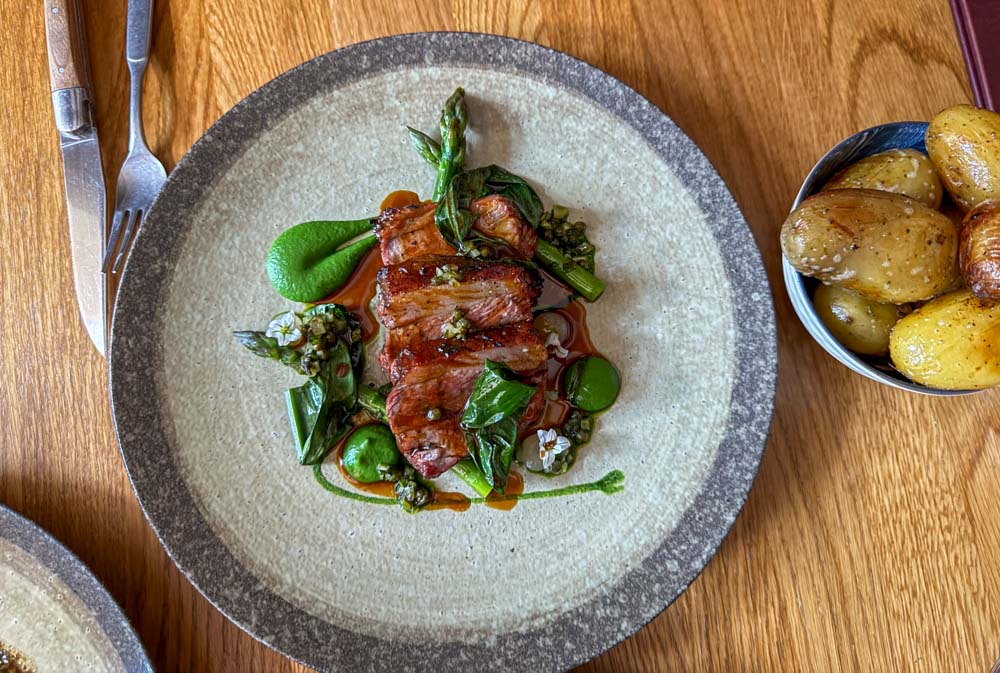
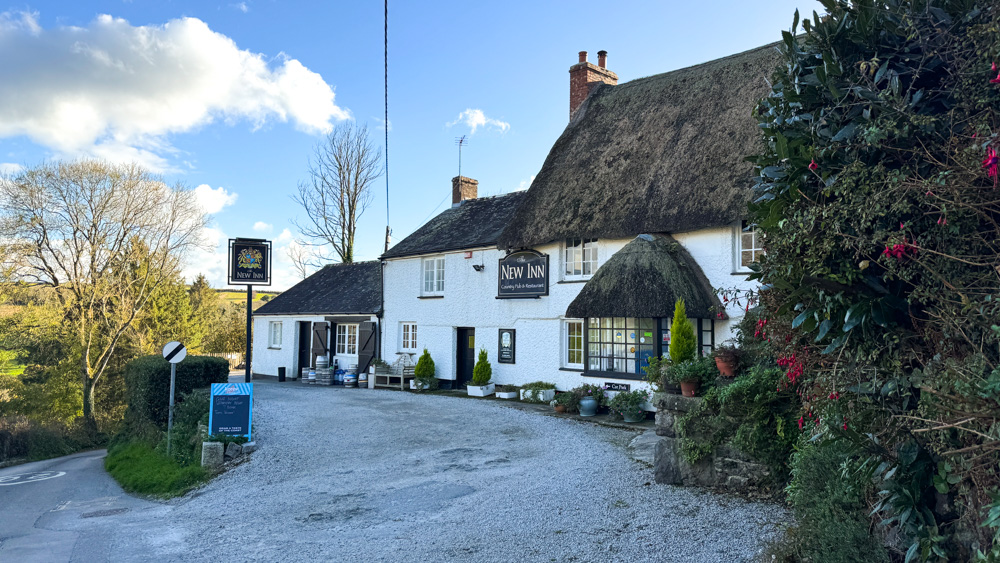
If you find yourself exploring the Helford this winter, the New Inn in Manaccan is well worth a stop. We had a delicious, traditional meal there and I’d happily recommend it. You can read my full review of the New Inn for the details.
Learn more about the best places to eat in Cornwall here.
Where to Stay
These are the places I’d book for a winter stay, and we’ve stayed at all three.
The Wellington in Boscastle is steeped in history. We stayed there in February 2026, in a Grade II listed coaching inn that dates back centuries, overlooking the harbour, with the River Jordan flowing beneath the building.

Read my review here.
The Headland in Newquay is a great place to stay if you want to get properly into the Christmas mood. We stayed there over Christmas 2025, and from mid November the hotel is dressed for the season, with lit fires and festive decorations throughout.
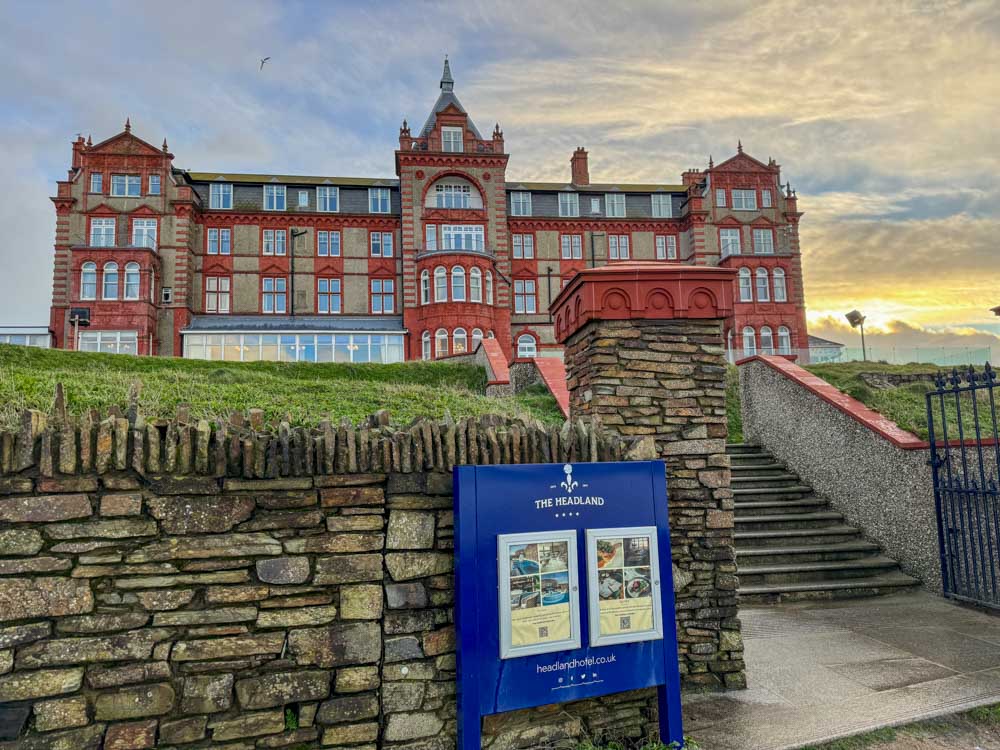
Read my review here.
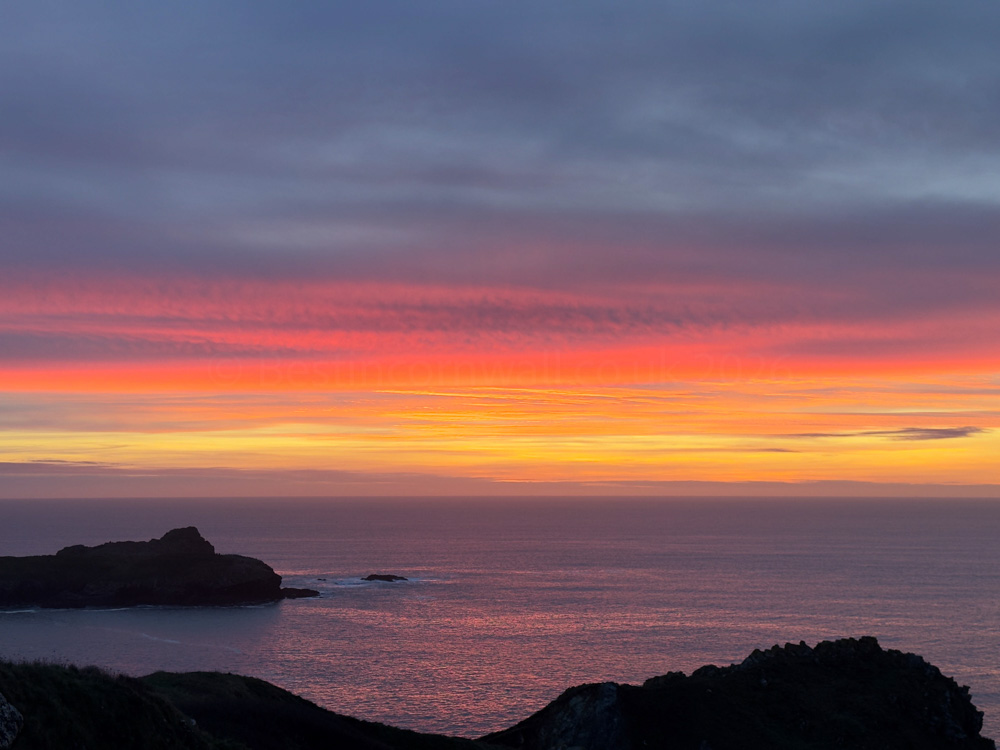
Mullion Cove Hotel and Spa on the Lizard is an Edwardian clifftop hotel built by the Great Western Railway in the early 1900s, looking out over the cove and harbour. We stayed in November 2025 and saw an amazing sunset, and the hotel runs winter breaks pitched at storm watching, with the South West Coast Path right on the doorstep.
What’s Open and What’s Closed This Winter
Several of Cornwall’s big attractions scale back or close for January, so it’s worth checking before you commit a day to one.
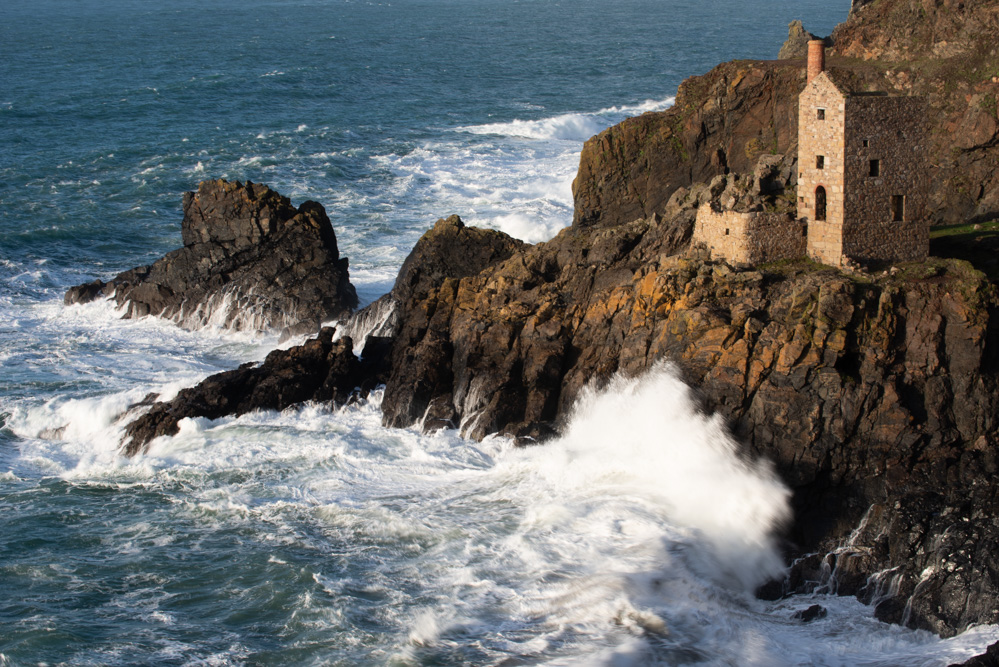
Open through winter: The gardens at Trebah, Trelissick, Lanhydrock and the Lost Gardens of Heligan all stay open year-round. Tintagel Castle, Botallack Mine, Minack Theatre, the National Maritime Museum in Falmouth, Truro Cathedral and the Seal Sanctuary at Gweek are all generally open, though it’s worth checking 2026 winter hours before you go.
The Eden Project: its seasonal ice rink usually returns for the winter months, but confirm the 2026 dates before you go.
Closed or reduced: Land’s End typically closes over the Christmas and New Year period; check the exact 2026 dates before you go. Most boat trips stop for winter, though the St Mawes Ferry across the Fal sometimes keeps running on a reduced timetable, again worth checking ahead.
What to Pack
A Cornish winter’s day can run through several types of weather before lunch. Pack a proper waterproof jacket, waterproof shoes with warm socks, a hat, scarf and gloves, and layers underneath. A thermos for hot chocolate on the beach and a headtorch for the early dusk are both worth the space in your bag. If you’re planning a cold water swim, bring a wetsuit, neoprene boots and gloves, plus dry clothes for afterwards.
Parking Tips
Generally, car parks are far quieter during the winter months. However, car parks at popular storm watching spots like Porthleven and Penzance can fill up quickly on a forecast storm day, so arrive early if the Met Office has warned of large waves or a big swell.
Read my comprehensive guides to parking in Cornwall here.

Hi, I’m JV. As an ex travel photographer, I’ve been all over the world, but there’s nowhere else I’d rather call home than Cornwall. Now I’m putting that experience to work, finding the best of Cornwall for you. I hope you found this article useful. Please check out my socials below: