
Why the Helford rewards patience
If your idea of a perfect Cornish day involves standing still long enough to watch a heron fold itself into a creek bank, the Helford was made for you. This is not a place for ticking off sights at speed. The Helford River is a ria, a flooded valley carved by rising sea levels at the end of the last Ice Age, and that geology is exactly why it feels so different from the rest of Cornwall. Steep wooded banks drop straight into tidal water, sheltering a microclimate where subtropical planting thrives alongside ancient native oak.
Spend a day here and you will move at the pace of the tide, not the car park. Bring binoculars, a decent pair of boots for muddy creek paths, and no fixed schedule. Whether you are chasing the peak flowering weeks in the great gardens on the north bank, hoping for a glimpse of a grey seal near Gweek, or simply want to sit in silence at Frenchman's Creek and listen for oystercatchers, this guide is built around what matters to you: bloom cycles, bird life, seals, and the quiet, layered woodland that makes the Helford feel almost otherworldly.
Bloom cycles in the subtropical gardens
The Helford's two great gardens sit on the north bank, both benefiting from the sheltered, frost-light microclimate that lets exotic species flourish outdoors.
- Trebah Garden: A valley garden descending through a century of planting to a private beach on the river. Expect camellias from the depths of winter, magnolias and rhododendrons taking over from March, and by late summer the hydrangeas reach a spectacular peak. Time a visit around these windows and you will see the garden at its most theatrical. The bamboozle, a dense stand of towering bamboo partway down the valley, is worth lingering in for the change in light and sound alone.
- Glendurgan Garden: Next door to Trebah, this National Trust property winds down to the tiny hamlet of Durgan. It shares the same exotic planting palette but has a slightly wilder, more informal feel. Serious gardeners should look out for the maturing specimen trees alongside the famous 1833 laurel maze.
Both gardens are laid out as a slow descent, which suits an unhurried pace naturally. Give yourself at least half a day if you want to actually stop and look, rather than walk through.
Ancient woodland and the art of standing still
The banks of the Helford are lined with ancient oak forest that tumbles right down to the waterline, and it is this unbroken canopy, rather than any single attraction, that gives the estuary its lush, almost jungle-like feel. Walking the wooded paths between Helford Passage, Durgan, and the creeks further upstream, you are moving through genuinely old woodland, not recent planting, and it shows in the density of moss, lichen, and understorey growth.
This is prime territory for patient bird-watchers. The creeks and mudflats draw herons, egrets, and oystercatchers, particularly at low tide when the exposed mud becomes a feeding ground. Find a quiet spot on a falling tide, settle in, and give it twenty minutes before you expect to see anything, that is the Helford way. Woodland species including tawny owls and nuthatches are present too, though you are more likely to hear them than see them among the oak canopy.
Seal colonies and life on the water
At the very head of the estuary, well upstream of the villages, sits the Cornish Seal Sanctuary at Gweek. It rescues and rehabilitates grey seals and other marine casualties before releasing them back into the wild, and it is a worthwhile detour if you want a guaranteed, close view of seals alongside an understanding of the conservation work behind it.
Out on the river itself, sightings are more a matter of luck and patience. Seals do haul out and swim in the Helford's calmer stretches, and the estuary occasionally sees passing dolphins further towards the mouth at Falmouth Bay. A slow, self-drive motorboat or a kayak gives you the best chance, since you can drift quietly into the smaller creeks where wildlife is least disturbed by foot traffic. Helford River Boats at Helford Passage is the hub for hiring exactly that kind of unhurried exploration, alongside the small passenger ferry that has crossed to Helford village for generations.
Frenchman’s Creek: the Helford’s quietest corner
No nature-focused visit to the Helford is complete without the walk down to Frenchman's Creek. This is the tributary that inspired Daphne du Maurier's 1941 novel of the same name, and it remains one of the most secluded, atmospheric spots on the whole river. Park near Kestle Barton and follow the woodland path down; the oaks lean low over the water here, and the creek narrows into something close to silence at low tide.
It is, quite simply, one of the best places in Cornwall for unhurried bird-watching and for absorbing the stillness that draws nature lovers to the Helford in the first place. Bring a flask, find a fallen log to sit on, and let the tide do the moving for you.
When and how to visit
- Best months for bloom: March through May for magnolias and rhododendrons in the gardens, with camellias appearing as early as December in sheltered spots. Late summer brings the hydrangeas into full colour.
- Best time for wildlife: A falling tide exposes the mudflats favoured by wading birds. Early mornings are quietest for both birds and seals.
- Tides matter: Creek paths and beaches change character completely between high and low water. Check tide times before setting out, especially around Frenchman's Creek and Durgan.
- Bring cash: Some of the smaller car parks and honesty-box style stops along the river prefer coins or cash, even where card payment is technically available, so it is worth carrying some change.
- Footwear: Woodland paths get muddy year-round thanks to the tree cover and tidal creeks. Proper boots are worth the extra weight in your bag.
- Pace yourself: This is a full-day destination if you want to do it justice, one bank in the morning, the other after lunch, with plenty of standing still in between.
Helford Guides

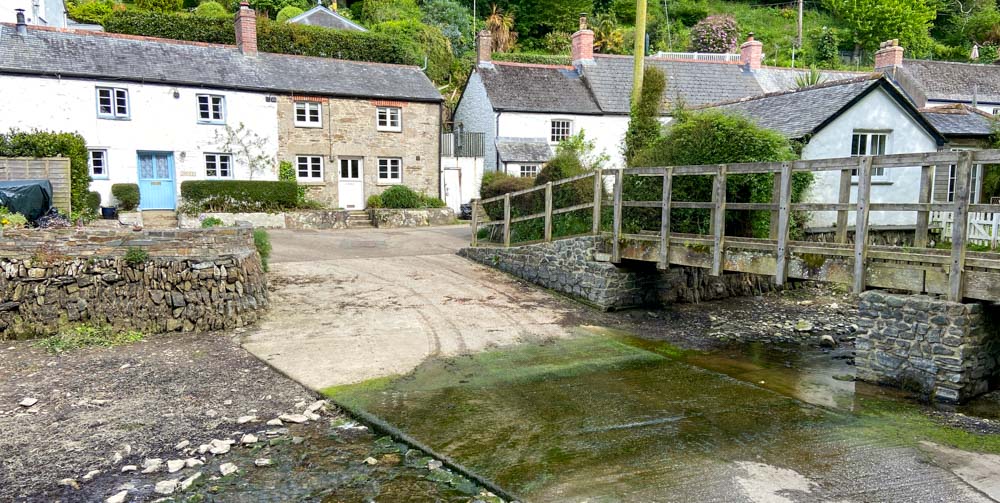
The best places to park in The Helford
The best things to do in the Helford
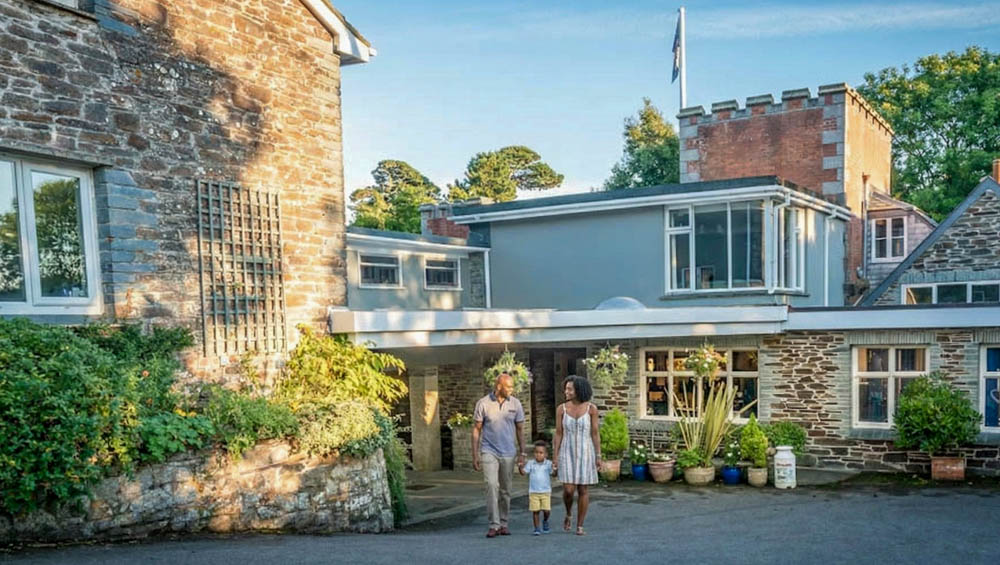
The best places to stay in the Helford
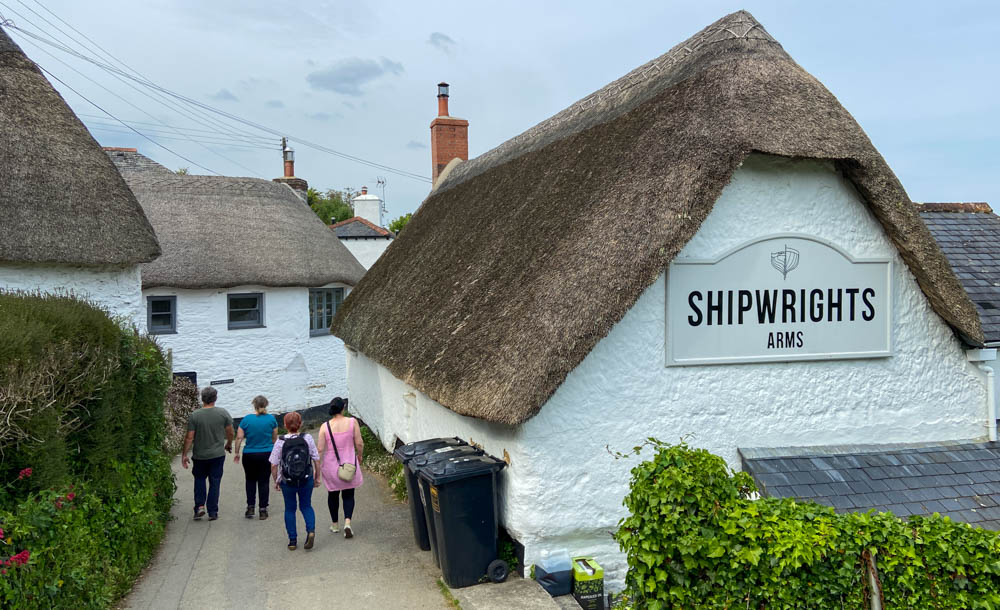
The best places to eat in the Helford
Hi, I’m JV. As an ex travel photographer, I’ve been all over the world, but there’s nowhere else I’d rather call home than Cornwall. Now I’m putting that experience to work, finding the best of Cornwall for you. I hope you found this article useful. Please check out my socials below: