
Eat by the tide, not the clock
If you eat on holiday timings rather than home timings, Cornwall was built for you. This is not a county for rushed reservations and three-course turnarounds; it’s a place where lunch can drift into the afternoon because the tide’s still out and the wine’s still cold. The leisurely foodie doesn’t chase tasting menus with twelve courses and a dress code. You chase a view, a plate of something that was in the sea that morning, and enough time to enjoy both properly.
What makes Cornwall’s food and drink scene so well suited to this pace is its geography. Nowhere is more than twenty miles from the coast, which means fish rarely travels far from boat to plate, and farms sit close enough to harbours that a menu can genuinely say “local” and mean it. This guide is your county-wide primer, the seafood, the pasties, the cream tea etiquette, the farm shops, and how to string it all together into a slow, sea-facing food trail before you dig into our in-depth town guides.
Seafood: the backbone of Cornish eating
Cornwall’s fishing ports still land the fish that end up on your plate that same evening, and the leisurely foodie’s job is simply to follow the boats. Newlyn remains the largest fishing port in England and the source of much of the county’s best hake, mackerel, and crab, feeding walk-in seafood bars where the catch dictates the chalkboard rather than the other way round. Further along the coast, towns like Looe and St Ives run their own day-boat fleets, and it shows in the simplicity of the best menus: whatever came in that morning, cooked without much fuss and served with a sea view.
Don’t expect white tablecloths everywhere, and don’t want them. Some of the finest seafood in the county comes from wooden benches, harbour walls, and beach shacks. A handful of chefs have built serious reputations without ever losing that relaxed, unbuttoned Cornish style, championing local day-boat fish on chalkboard menus that change with what’s landed. Treat a seafood lunch here as an event, not a pit stop; book if you can, but if you can’t, build in enough slack in your day to queue happily and sit a while once you’re in.
The Cornish pasty, done properly
No Cornwall food and drink guide is complete without the pasty, and the leisurely foodie should resist the urge to eat one standing up on the move. Find a bakery with a queue of locals rather than tourists, sit somewhere with a view, and eat it slowly with the crimp in your fingers, the traditional way it was designed to be held. A proper Cornish pasty has a distinctive D-shape and a crimped edge running along the side rather than the top, filled with beef, potato, swede, and onion, all raw before baking so the flavours steam together in the pastry.
Bakeries near town centres up and down the county sell them fresh daily, and it’s worth trying more than one across your trip. Prices and pastry style vary more than you’d expect from town to town, and part of the fun of a slow food trail is comparing notes.
Cream tea etiquette (get this right)
Few culinary questions divide Cornwall and Devon quite like the order of a cream tea. In Cornwall, jam goes on the scone first, then a generous dome of clotted cream on top; ask for it any other way and you’ll get a raised eyebrow from behind the counter. This isn’t a rule worth breaking for the sake of an argument. Order a pot of tea rather than a single cup, take the outside table if there is one, and treat the cream tea as a proper sit-down course rather than a snack squeezed between beaches. Cafes around town centres and harboursides across Cornwall serve the full version, and on a cooler day, a rich, thick hot chocolate from a farm shop café or harbourside tearoom makes just as good a reason to linger over a table with a view.
Farm shops and the inland larder
The coast gets the postcards, but Cornwall’s food story is just as much about what happens inland. Farm shops dotted along the lanes between the A30 and the sea sell cheeses, cured meats, seasonal vegetables, and preserves straight from the producers, and many attach a small café or bistro where the ingredients on your plate were growing or grazing within sight of the building. For a leisurely foodie building a driving loop, a farm shop stop is the perfect midway point between two coastal towns: slower than a service station, and infinitely better stocked if you’re self-catering for a few nights.
Cornwall’s drinks scene
Ask about Cornwall drinks these days and you’ll get a longer answer than you might expect. The county has a genuine craft brewing scene, cider orchards producing proper Cornish scrumpy alongside better-known bottled brands, and a growing cluster of gin distilleries drawing on coastal botanicals like gorse, samphire, and sea buckthorn. None of this needs to be rushed. A pub with a sea view and a well-kept local ale, or a distillery tasting room with a flight of three gins, fits the leisurely pace far better than trying to tick off a checklist. Ask behind the bar for whatever’s being poured locally that week; Cornwall’s independent drinks producers change and rotate often, and bar staff usually know the current favourites better than any guidebook.
Food festivals worth building a trip around
If your visit lines up with one, a Cornwall food and drink festival is worth planning a whole leisurely weekend around rather than squeezing in as a day trip. The St Ives Food and Drink Festival runs each May on Porthminster Beach and is free to attend during the day, making it an easy, unhurried way to sample multiple stalls and producers without committing to a sit-down booking. Porthleven, a town that built its whole reputation on food over the last decade, hosts its own major food festival each April and is worth a dedicated visit in its own right. Check current dates before you travel, since festival calendars shift year to year.
Planning a slow food trail across the county
The trap most visitors fall into is trying to cover too much of Cornwall in too little time, which is fatal for a foodie itinerary built around meal times rather than mileage. Our advice: pick one coastline, north or south, rather than trying to loop both in a short trip. Space out no more than one proper sit-down meal and one casual stop per day, leave your afternoons open for a beach or a coastal path walk to work up an appetite, and always book your evening table before you set off for the day, since the best Cornish kitchens fill up fast in summer. Build in slack for queues at the no-booking seafood bars; the wait is often part of the charm.
Explore Cornwall for Leisurely Foodies by Area
This is your county-wide starting point, but the real detail, the specific restaurants, the best benches, the exact dishes worth ordering, lives in our town-by-town guides. We’re building these out one destination at a time.
Start with Padstow, Cornwall’s best-known foodie town and the obvious first stop for any leisurely food trail, where our in-depth guide covers exactly where to eat, when to book, and how to spend a properly unhurried day around the harbour.
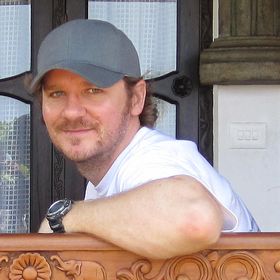
Hi, I’m JV. As an ex travel photographer, I’ve been all over the world, but there’s nowhere else I’d rather call home than Cornwall. Now I’m putting that experience to work, finding the best of Cornwall for you. I hope you found this article useful. Please check out my socials below: