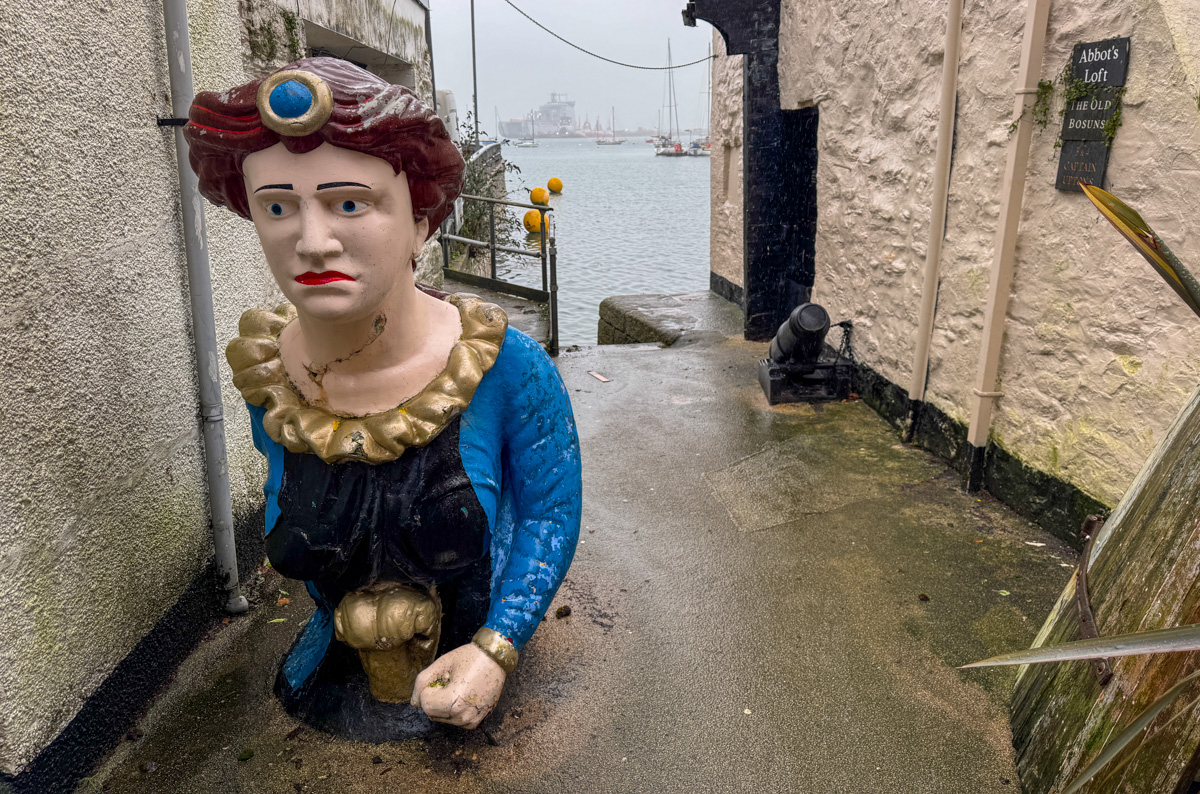
Falmouth is one of those rare Cornish towns that hands you the five-star feeling without the five-star bill. It has the deep natural harbour, the waterfront hotels with rooms that open straight onto the water, the subtropical gardens along the Helford, and seafood landed just a few streets from where you’ll eat it. What it doesn’t have is the price inflation you’ll find in Rock or Padstow. This is a working port and a lively university town rolled into one, which keeps standards high and prices honest.
If your idea of a good trip is quality over quantity, a considered pace, a beautiful room, one exceptional dinner rather than three rushed ones, then Falmouth rewards you handsomely. The trick is knowing where to spend and when to go. Book the right rooms in the shoulder season, pick the harbourside tables that punch above their price, and lean on the free scenic assets the town gives away for nothing. Here is how to do Falmouth properly, without compromise.
Where to stay: waterfront rooms without the resort price tag
Falmouth’s best hotels trade on their position, and position here means water. Book well and you’ll get a genuine luxury base for a fraction of what the same outlook costs elsewhere in Cornwall.
The Greenbank Hotel
The Greenbank sits right on the harbour, one of the town’s oldest and most characterful hotels, with rooms and a restaurant that look straight out over the water and the yachts on their moorings. It’s the quintessential Falmouth address.
- The value play: Ask for a harbour-view room out of season. In spring and autumn, a room with that outlook comes in well below peak-summer rates, and the view doesn’t change with the calendar.
- The vibe: Refined but relaxed, with a proper sense of maritime history. The kind of place you settle into for a long breakfast.
St Michaels Resort
Set above Gyllyngvase Beach, St Michaels is Falmouth’s spa-and-pool option, with an indoor pool, a spa, and easy level access down to the sand and the seafront path.
- The value play: A midweek or shoulder-season break here often includes spa and pool access that would cost a premium as a standalone day pass. Factor that in and the room rate looks a lot sharper.
- The vibe: Contemporary and calm, geared towards slowing down. Best for travellers who want the wellness side of luxury.
The Falmouth Hotel
The grand Victorian seafront hotel, a short stroll from Gyllyngvase and Castle Beach, with the kind of period proportions and sea views that modern builds can’t fake.
- The value play: The scale of the place means a real spread of room types and rates, so there’s usually a well-priced room with a sea glimpse if you book ahead and avoid peak weeks.
- The vibe: Classic seaside grandeur. Choose it for the architecture and the setting rather than minimalist cool.
Off-peak tip: Falmouth’s quietest, best-value months are outside the school summer holidays. Late spring and October give you mild weather, open gardens, and the town’s best events, at prices the peak-season crowd never sees.
Where to eat: harbour seafood and menus that earn their price
Falmouth’s food scene grew up alongside its student population, which means genuine quality at every price point and very little tourist-trap pricing. For the discerning eater, the smart move is to spend on the seafood, where the town’s continuing fishing trade does the hard work for the kitchen.
- Rick Stein’s Fish (Discovery Quay): The reliable premium pick, serving fresh fish and proper fish and chips with a view over the marina. There’s a takeaway counter too if you’d rather eat yours looking out over the water, which is arguably the better-value way to do it.
- The harbour and Discovery Quay restaurants: Several kitchens around the harbour specialise in locally landed seafood, making the most of the daily catch. Set and early-evening menus are where the real value sits, so ask what’s on before you order à la carte. Book ahead in peak season.
- The Pandora Inn (Restronguet Creek): Worth the short trip out of town. A thatched 13th-century inn on the creek with its own pontoon, best reached by boat straight off the water. The setting alone is worth the fare, and the arrival is half the experience.
- Water-view casual: For a lighter spend, the café at Gyllyngvase Beach is a firm local favourite for eating right by the sand, and Discovery Quay has plenty of spots with a harbour outlook for a good coffee or a relaxed lunch.
Gardens, views and slow experiences
This is where Falmouth’s affordable-luxury credentials really show. The town’s mild microclimate feeds some of Cornwall’s finest gardens, and much of the best scenery costs nothing at all.
- Trebah Garden: A short drive south on the Helford River, one of Cornwall’s great subtropical gardens, running down a lush valley to its own beach. It’s also a D-Day embarkation site, with commemorative plaques on-site, so there’s real history alongside the planting.
- Glendurgan Garden: Right next door and National Trust-run, set in a dramatic valley down to the Helford and famous for its cherry laurel maze. Pair it with Trebah for a full, unhurried garden day.
- Enys Gardens: A little further out near Penryn, wilder and more informal, and known for its spring bluebell displays. Time a visit for the bluebells and you’ll see one of the county’s quiet spectacles.
- Fox Rosehill Garden and Kimberley Park: Two green spaces right in Falmouth itself, handy for a slow, free wander without leaving town.
- Jacob’s Ladder: The town’s famous stairway of 111 steps, built by local businessman Jacob Hamblen to link his properties. Climb it for the view, and reward yourself at the Jacob’s Ladder Inn at the top, which does a solid Sunday roast and runs its own microbrewery.
- Pendennis Castle and the coast path: The South West Coast Path runs straight through Falmouth, picked up easily near Gyllyngvase or Pendennis Point without driving anywhere first. Castle Beach sits sheltered beneath the castle, a calm little cove for a swim.
- The water taxi: A genuinely luxurious small pleasure, and cheap. Crossing the harbour by boat rather than going the long way round by road turns an errand into an outing.
The beaches
Falmouth’s setting does the work for you: three sandy beaches within walking distance of the centre, plus a quieter cove a short drive round the coast.
- Gyllyngvase (“Gylly”): The main event, soft sand, a well-regarded café, and lifeguard cover through the main season. The most straightforward, sheltered spot in town for a swim, and the easiest to reach on foot.
- Swanpool: Its own café overlooks both the sea and the adjacent nature reserve, a genuinely lovely place to sit for a while.
- Castle Beach: A small, sheltered cove beneath Pendennis Castle, generally calm, and the pick for a quieter swim close to the centre.
- Maenporth: A short drive south, a sheltered sandy cove with a gentle slope, the one to choose when you want the town beaches behind you.
On the water: Gyllyngvase and the wider harbour are popular for paddleboarding and kayaking, with the calm, sheltered water of the Fal Estuary making for far easier paddling than the open coast. Several operators offer hire and lessons through the summer.
When to go for the best value
The considered traveller times the trip around Falmouth’s calendar, which leans hard into its maritime identity. The Sea Shanty Festival in June is Europe’s largest free shanty festival, running alongside Falmouth Classics and its parade of vintage boats through the harbour. Falmouth Week in August is the big summer regatta, and the Oyster Festival in October marks the start of the dredging season and rounds off the year in style. Many of the best moments, the shanty singing across town and the harbourside racing, cost nothing to enjoy. Come in the shoulder months around these events and you get the atmosphere, the mild weather, and the off-peak room rates all at once.
Getting there and around
Falmouth is well connected for a Cornish town. Take a mainline train to Truro, then change onto the branch line, which runs directly into town in around 25 minutes with two stations of its own: Falmouth Town for the centre and the maritime museum, and Falmouth Docks for Pendennis Castle and Castle Beach. Once you’re here, the town is genuinely walkable, with local buses run by First Kernow and the harbour water taxi covering most of what you’d need. If you drive, the main car parks are pay-and-display and the ones nearest the harbour fill first, so arrive earlier in the day and budget for parking rather than hoping for a free roadside space.
Falmouth Guides

The Ultimate Falmouth Guide: 110+ Questions Answered

Living in Falmouth

Student Life at Falmouth University

Events & Festivals in Falmouth

Where to Stay in Falmouth

How to Get to Falmouth

Food & Drink in Falmouth

Things to Do in Falmouth

Beaches, Gardens & Outdoors in Falmouth