
Land’s End is one of the most iconic and dramatic locations in Cornwall, a place where sheer granite cliffs meet the wild Atlantic Ocean. Known for its breathtaking scenery and symbolic status as the “end of the land,” it’s a destination steeped in legend, history, and natural wonder.
- Most westerly point in mainland England – Land’s End marks the farthest point west on the English mainland, sitting roughly 874 miles from John o’ Groats in Scotland.
- Ancient name – The Cornish name for Land’s End is Penn an Wlas, meaning “end of the land.” It has been a landmark for sailors and travellers for centuries.
- Dramatic cliffs – The headland is made of rugged granite cliffs that plunge sharply into the Atlantic, creating some of the most photographed coastal scenery in the UK.
- Longships Lighthouse – Just offshore lies the Longships Lighthouse, built in 1875 on a rocky reef to warn passing ships of the perilous waters around the headland.
- Mythical ties – According to legend, the lost land of Lyonesse, said to be an ancient kingdom that sank beneath the waves lies somewhere beyond Land’s End.
- Land’s End to John o’ Groats – The famous endurance route from Land’s End to John o’ Groats is the longest distance between two inhabited points on the British mainland, popular with cyclists and walkers.
- Wildlife haven – The surrounding cliffs and seas are home to seabirds, seals, and even the occasional basking shark or dolphin, making it a favourite spot for nature lovers.
- Historic landmark hotel – The Land’s End Hotel has been welcoming visitors since the 19th century and offers incredible views out over the ocean and the Scilly Isles on a clear day.
- Film and TV appearances – Land’s End’s dramatic setting has featured in numerous films, documentaries, and travel shows, capturing the raw beauty of Cornwall’s far west.
- Sunset views – Facing directly west, Land’s End offers some of the most spectacular sunsets in the country, with the sun dipping below the Atlantic horizon in a blaze of colour.
Land’s End is more than just a geographical point, it’s a symbol of Cornwall’s wild spirit, where myths meet the ocean and every view reminds you you’ve reached the very edge of England.
Guides
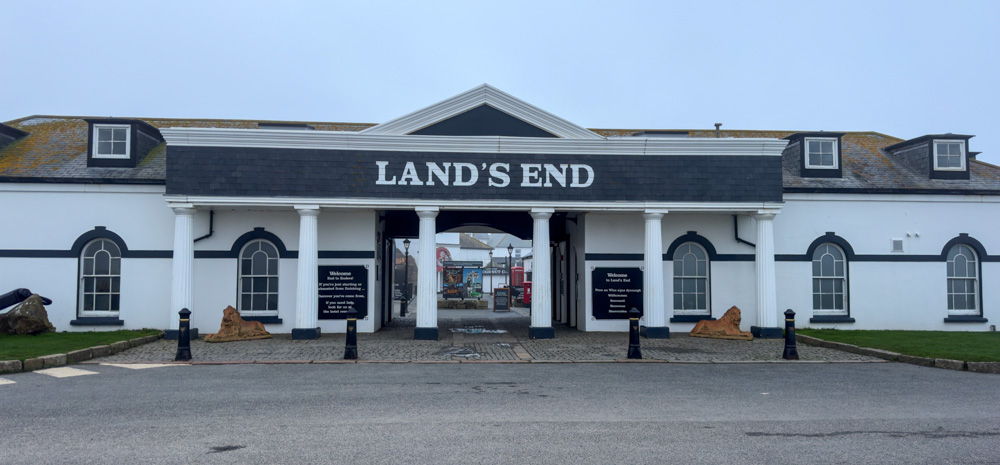
The best things to do in Land’s End
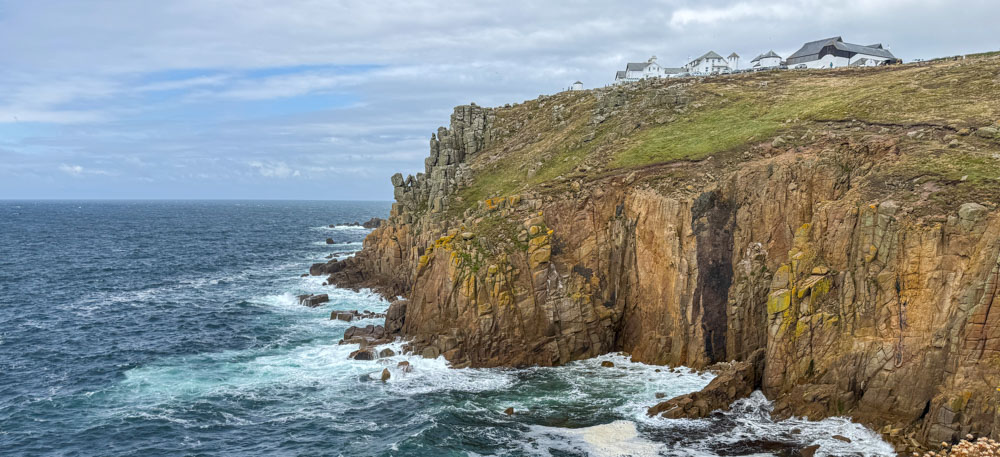
The best places to stay in Lands End
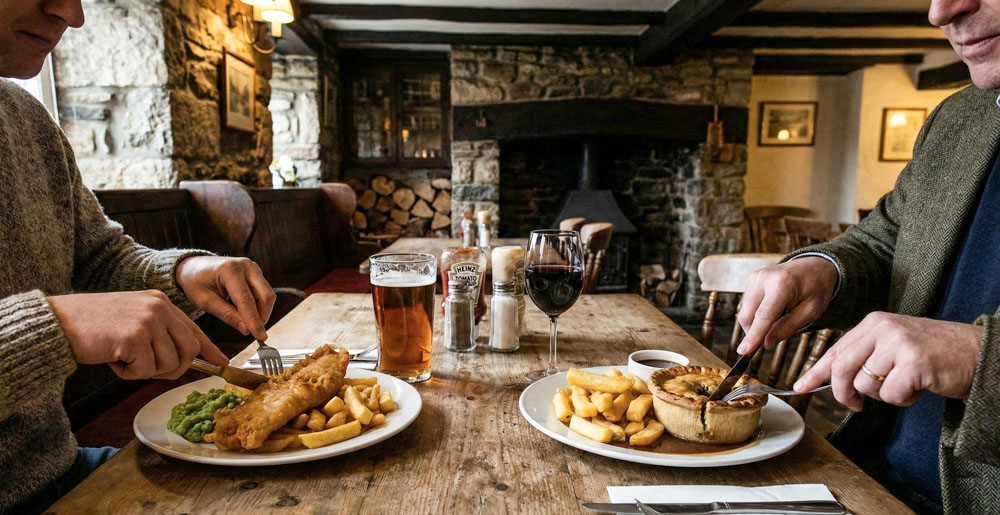
The best places to eat in Lands End
FAQ’s
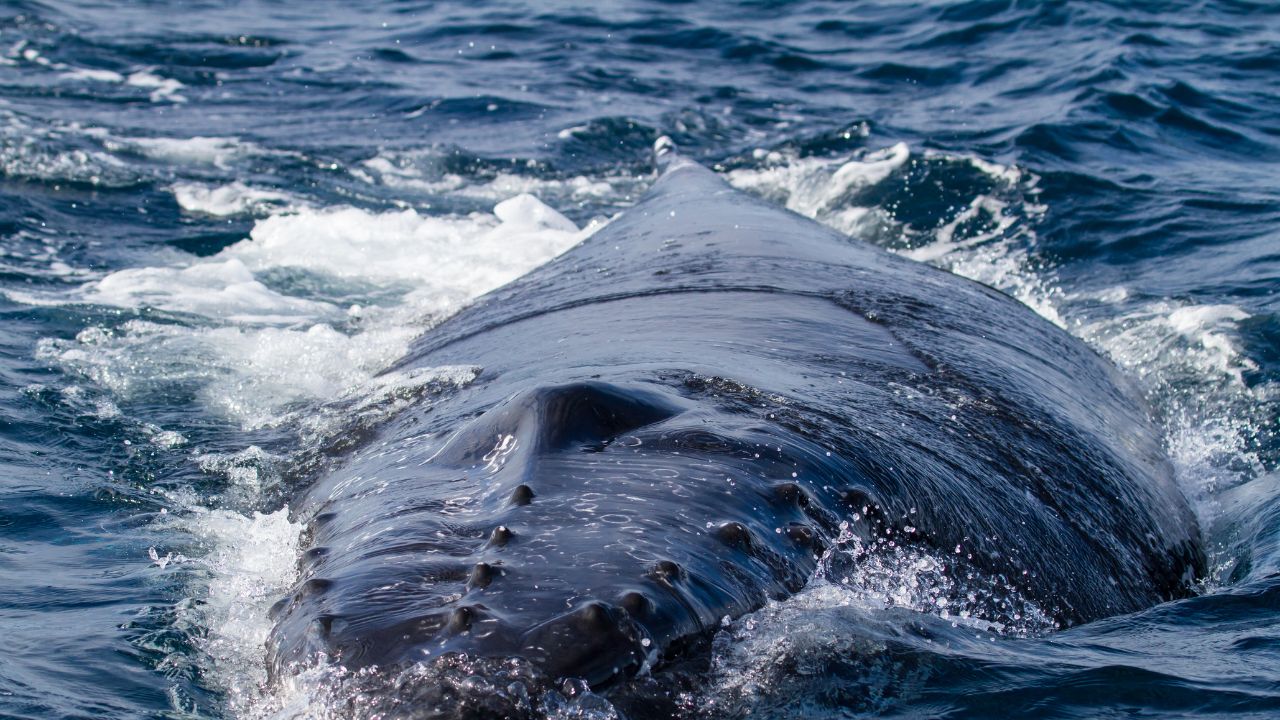
Where can you see Whales & Dolphins in Cornwall?
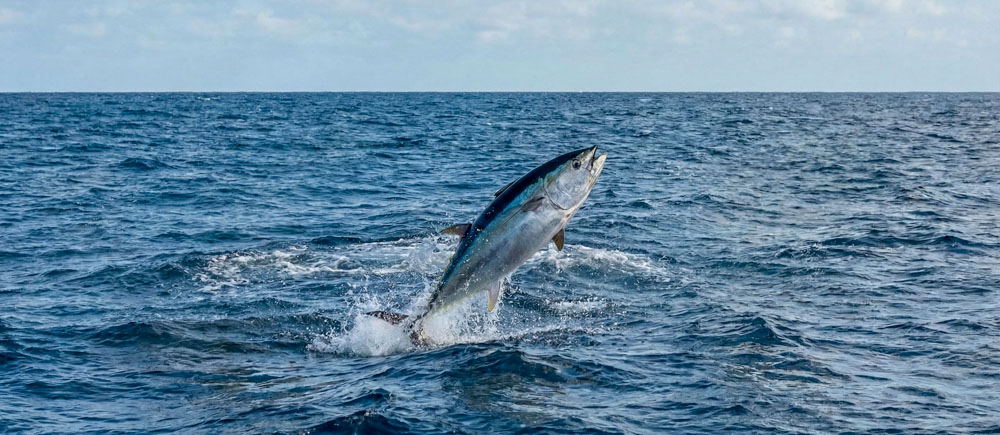
Where can I see Bluefin Tuna in Cornwall?
Features
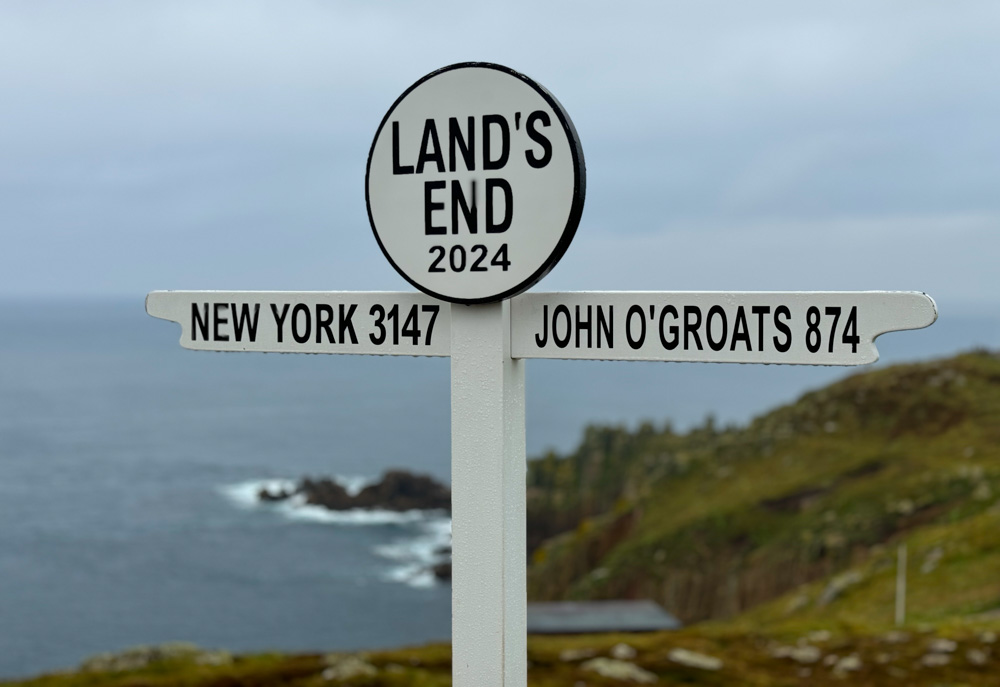
10 fascinating facts about Land’s End
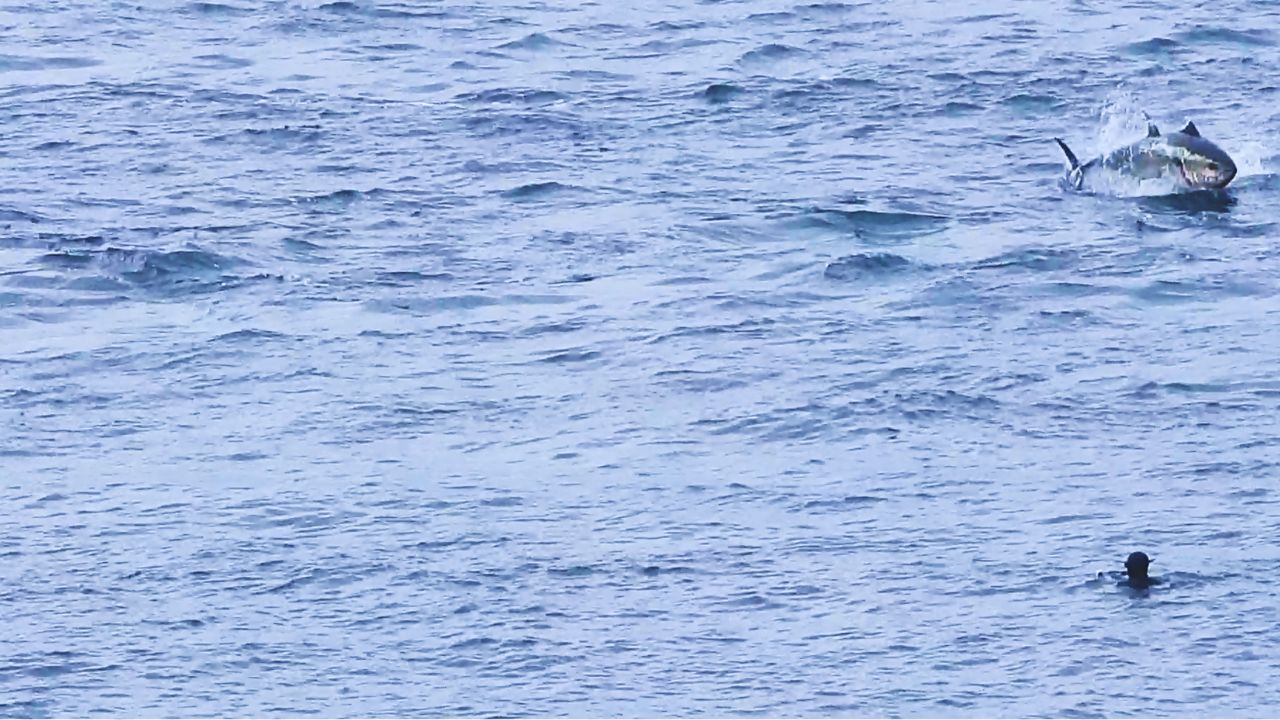
Snorkellers swim with monster Bluefin Tuna
Hi, I’m JV. As an ex travel photographer, I’ve been all over the world, but there’s nowhere else I’d rather call home than Cornwall. Now I’m putting that experience to work, finding the best of Cornwall for you. I hope you found this article useful. Please check out my socials below: