
Padstow is a charming Cornish town full of history, culture, and coastal beauty. From ancient harbours to famous festivals and culinary fame, here are ten fascinating facts that make Padstow truly special.
- A Harbour Since Prehistory
Padstow has been a natural harbour linking Brittany to Ireland along the ‘Saints Way’ from Fowey since as early as 2,500 BC. - Named After Saint Petroc
The town’s name evolved from ‘Petroc-stow’, meaning ‘Petroc’s Place’, after the Welsh missionary Saint Petroc, who founded a monastery there around AD 500. - Medieval Maritime Hub
In the Middle Ages, Padstow was a bustling port exporting tin, copper, lead, slate, pilchards, and agricultural produce, and importing timber, salt, and wine. - Viking Raids and Relocation
In 981, Padstow was raided by Vikings, leading to the relocation of the monks and the relics of Saint Petroc to Bodmin. - World War II Defenses
During World War II, a coastal gun battery was established at Gun Point to defend against a German invasion, utilizing an old military site first established during the War of American Independence. - The ‘Obby ‘Oss Festival
Every May Day, Padstow hosts the ‘Obby ‘Oss festival, a traditional Cornish celebration featuring two ‘hobby horses’ parading through the town, marking the arrival of spring. - Rick Stein’s Culinary Influence
Celebrity chef Rick Stein opened his first restaurant, The Seafood Restaurant, in Padstow in 1975, transforming the town into a renowned culinary destination. - National Lobster Hatchery
The National Lobster Hatchery in Padstow is a marine conservation, research, and education charity focusing on the European lobster, aiming to support sustainable fishing practices. - Camel Estuary and Doom Bar
The Camel Estuary, where Padstow is situated, is home to the Doom Bar, a notorious sandbar at the mouth of the estuary, known for shifting with tides and currents, posing a hazard to navigation. - Black Tor Ferry
The Black Tor Ferry, operating since 1337, connects Padstow to the village of Rock across the River Camel, serving pedestrians and cyclists, and is part of the South West Coast Path.
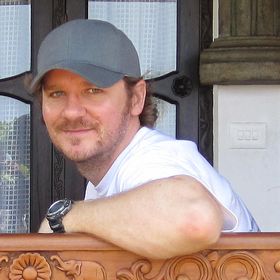
Hi, I’m JV. As an ex travel photographer, I’ve been all over the world, but there’s nowhere else I’d rather call home than Cornwall. Now I’m putting that experience to work, finding the best of Cornwall for you. I hope you found this article useful. Please check out my socials below: